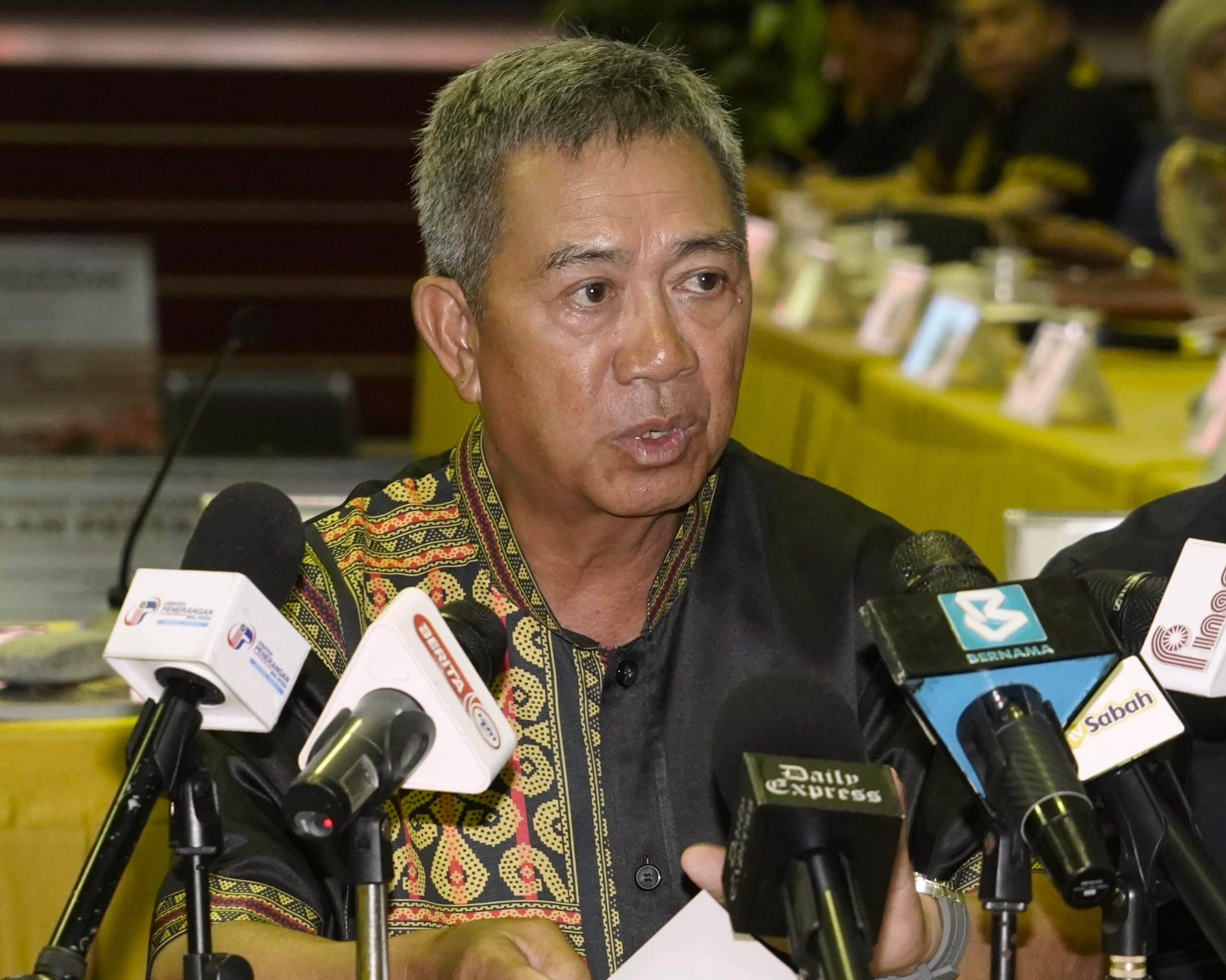

KOTA KINABALU: Parti Solidariti Tanahairku (STAR) Deputy President Datuk Kenny Chua has slammed former Prime Minister Tun Dr. Mahathir Mohamad for maintaining a “federal-centric mindset” toward Sabah and Sarawak, arguing that his call for review of Sabah and Sarawak’s allocations but leave Petronas alone reduces the two regions’ legitimate demands to symbolic handouts.
The former PM’s remarks come amid renewed attention over Sabah’s 40% net revenue entitlement and Sarawak’s increasingly assertive push, through Petros, for greater upstream control — developments that have intensified pressure on Putrajaya to re-examine federal–state financial arrangements.
“Why talk about review now? Why didn’t you do it when you were PM? Enough with giving Sabahans and Sarawakians candies,” he said in a statement, adding that Mahathir has exhibited a typical Malaya-centric mindset that Sabah and Sarawakians are happy to receive less than what they legally deserve.
“We don’t want candies. We want the freedom and power to create our own wealth from our own natural resources,” said Chua in a statement.
Mahathir had acknowledged that Sabah and Sarawak are increasingly aware of their economic potential and are seeking greater control over their oil and gas resources.
He said federal allocations need to be reassessed, but cautioned that any autonomy push must not threaten national cohesion “to the point of total separation.”
Chua, however, said the Borneo regions will continue asserting their rights over local resources.
“If national cohesion means ignoring decades of unequal treatment, Sabah and Sarawak will defend their rights. Sabahans and Sarawakians have contributed immensely to the nation. But we must also do justice to ourselves by creating wealth for our regions and people” he said.
When Sabah and Sarawak joined Malaysia in 1963, the Malaysia Agreement (MA63) granted them significant autonomy, including the management of natural resources. Over time, federal legislation—particularly the Petroleum Development Act 1974—centralised control under Petronas, leaving Sabah and Sarawak with only a 5% royalty from production and fueling long-standing disputes over resource entitlements.
The issue of Sabah’s rights has also become a focal point in the current election campaign, with politicians from both sides of the political divide emphasizing it as a key plank in their platforms.