

by David E.
KOTA KINABALU: Sept 26, 2026 – The Sabah State Museum became the centre of attention as the Borneo Lab 2026 programme is being held over three days, beginning yesterday and ending on Sunday. Director of the Sabah Museum Department, Aldofus Lester John Millip, said the programme is not merely an exhibition, but an interactive experience combining science, technology, culture and heritage.
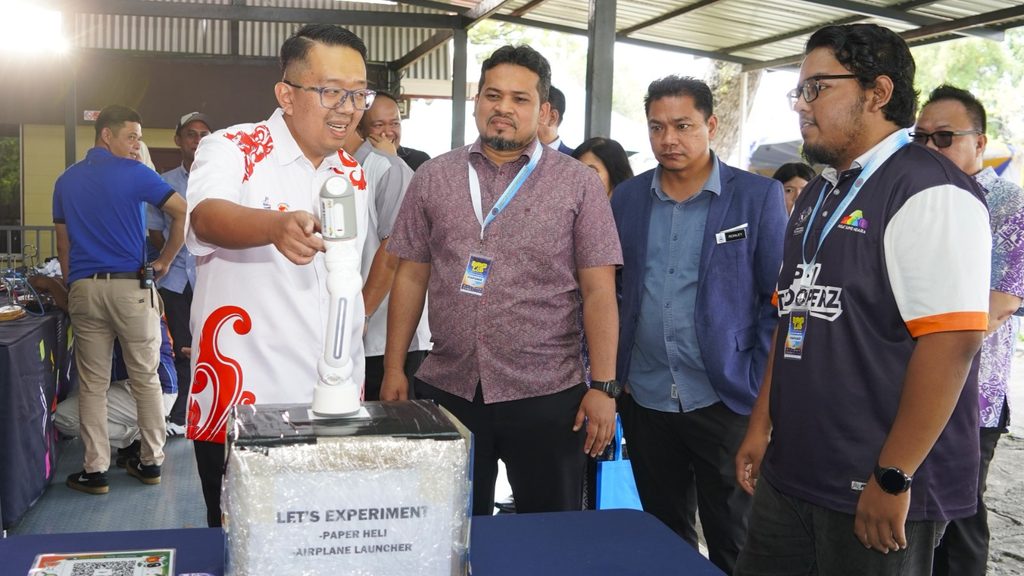
“We want to increase public interest, especially among students, in science and technology,” he said. According to him, the programme gives students and visitors the opportunity to learn hands-on and encourages lifelong learning.
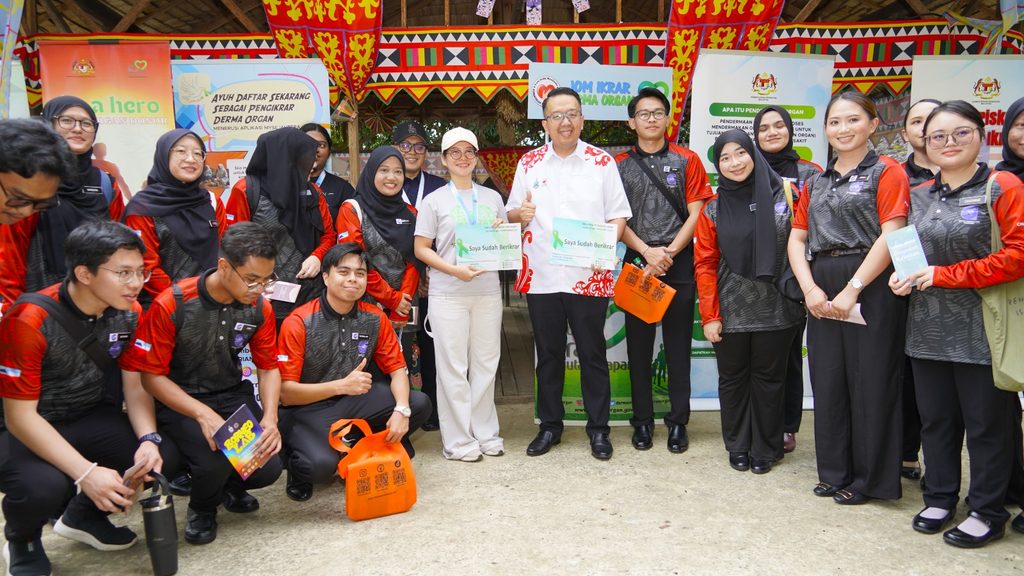
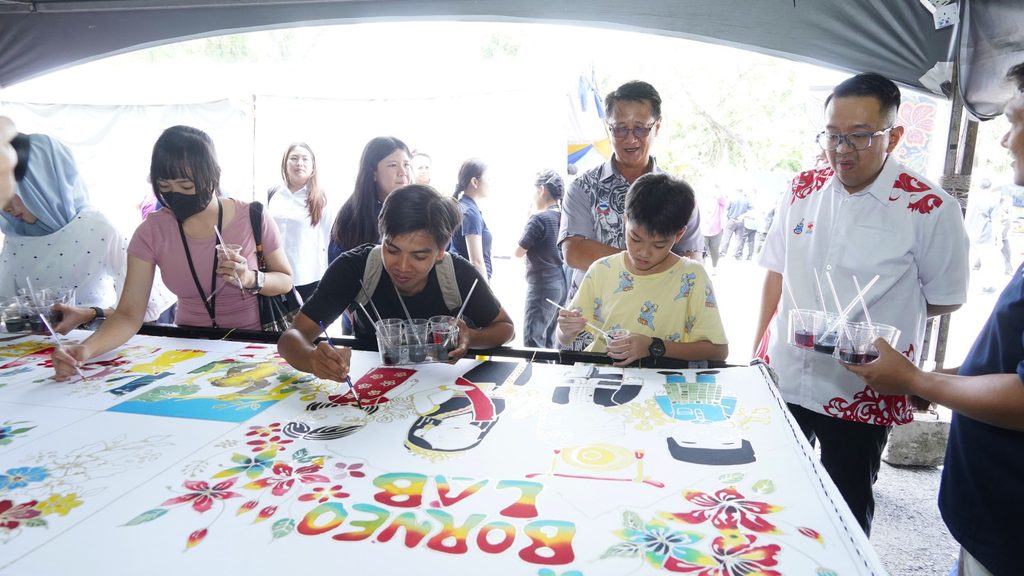
Among the main attractions are an exhibition by the National Science Centre, a batik canting experience, a blood donation campaign and a high-powered motorcycle exhibition by Sabah Big Bikers. Visitors also have the opportunity to see more than 10 traditional houses in Phase One and Phase Two, including a Murut longhouse with its lansaran and rooms.
At the traditional houses, agencies such as Universiti Malaysia Sabah (UMS) are showcasing maritime and biology elements, while Sabah Parks is featuring gardens and wildlife. The 16.96-hectare Sabah Museum grounds also house an Ethnobotany Garden, herbal plots and rare fruit trees such as belunu.
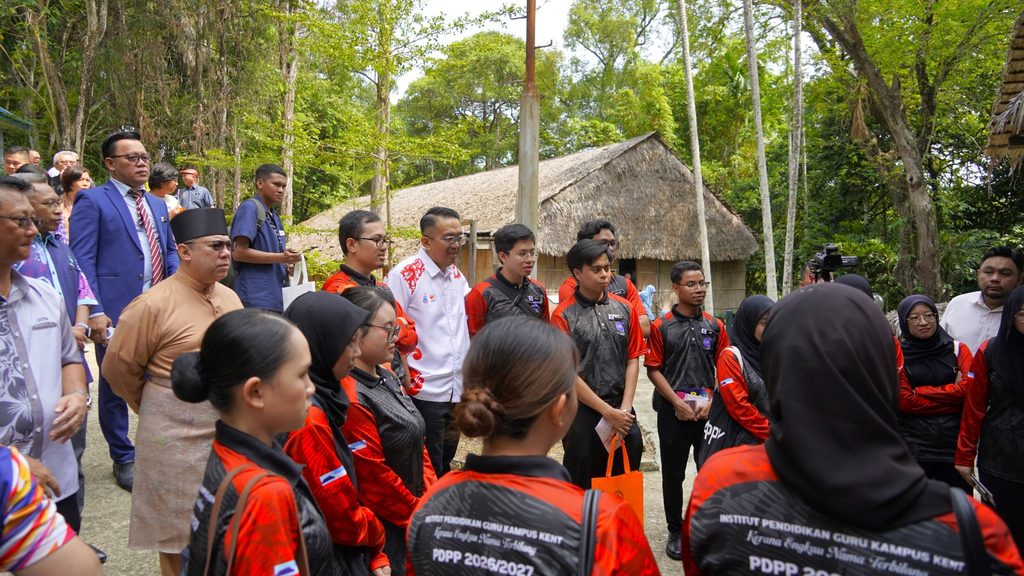
Aldofus stressed that the role of the museum is not just to store old items. “This museum preserves, documents and exhibits. It creates awareness and knowledge among visitors,” he said.
The main building is still closed for repairs. The natural history collection is displayed in a new building near the car park, and the Islamic Civilisation Museum has been upgraded.
To facilitate visits, the Sabah Tourist Guide Association offers guided tours. Local visitors are charged RM2 while foreign visitors pay RM15. Schools can also arrange guided tours through the museum’s Education Division.
“My hope is that visitors and students will have an unforgettable experience,” he said. He added that awareness is not just about knowing culture, but understanding the importance of preserving the state’s heritage.
The museum is also proactive in attracting the younger generation through an overnight-at-the-museum programme for secondary school students, including identification activities, plant specimen collection and documentation. Collaboration with Universiti Sains Malaysia and UMS in archaeology and history continues.
According to Lester, programmes such as Borneo Lab 2026 bring visitors to the Sabah Museum while exposing them more closely to its role and environment.
“With its various interactive, heritage and natural attractions, Borneo Lab 2026 is the best opportunity for families and students to appreciate Sabah’s treasures. Let’s visit the Sabah State Museum before the programme ends this Sunday,” he urged.