by David E.
KOTA KINABALU: The Sabah Government’s efforts to reform the Native Court and institutionalise the roles of District Chiefs, Native Chiefs and Village Heads through a clearer legal framework are described as an important step in preserving customs and strengthening the traditional leadership structure of the Native community.
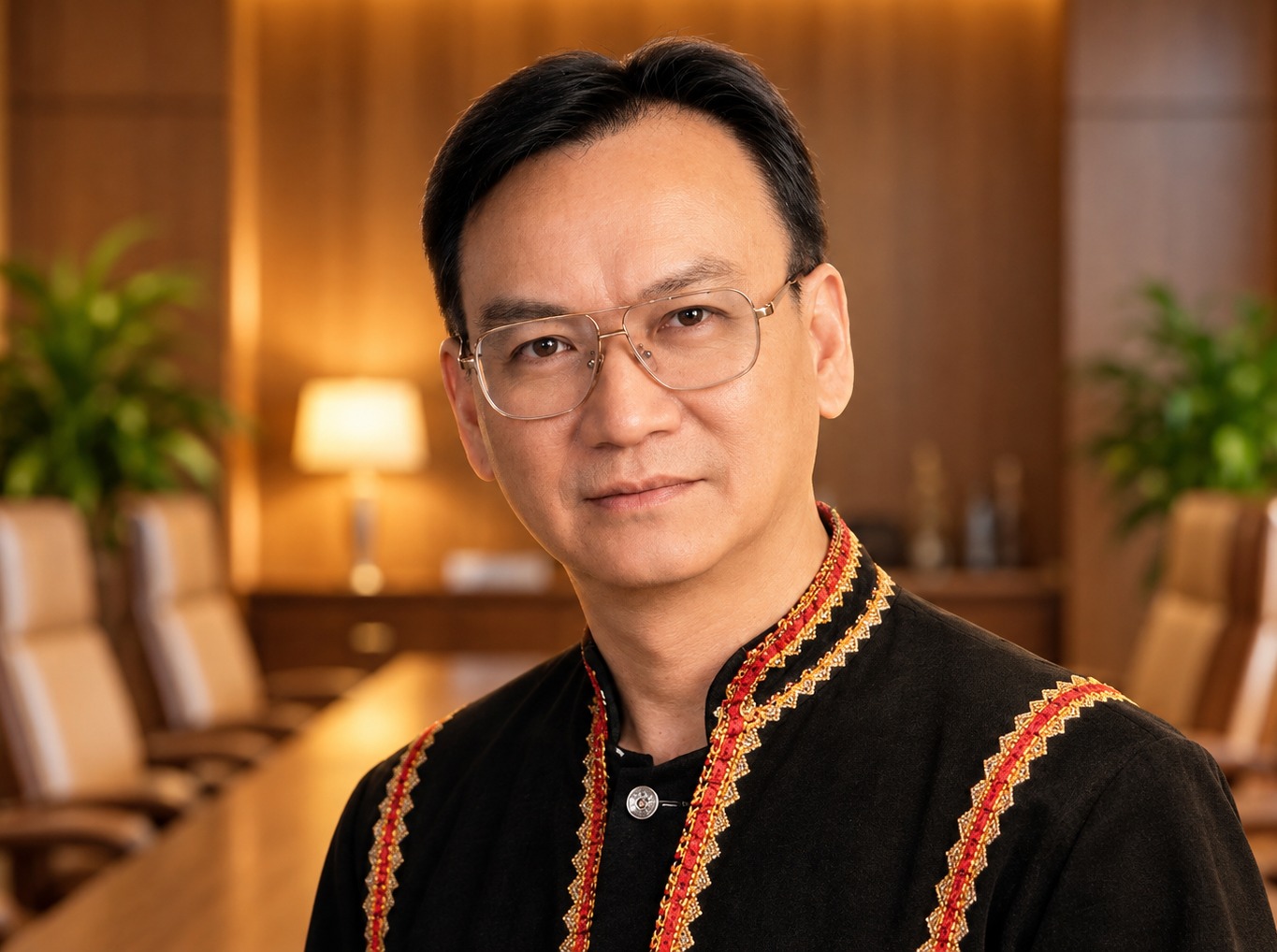
Sabah United People’s Party (PBRS) President’s Honorary Advisor Datuk Cyril P. Yansalang said Chief Minister Datuk Seri Panglima Haji Hajiji Haji Noor’s commitment to implementing the reform should be welcomed to ensure that institutions based on custom and tradition remain relevant, respected and function more effectively.
He said the reform of the Native Court after more than three decades of the 1992 Enactment was crucial because the institution not only plays a role in resolving disputes but also preserves customs, harmony and community values.
He said the view was also based on his six years of experience as a Juvenile Court Advisor in Tambunan, which gave him the opportunity to observe court proceedings when the court sat in the district.
“The experience provided an insight into the importance of access to justice at the district level and the need to ensure that judicial institutions have appropriate facilities, administrative structures and support.
“Communities in districts and rural areas should not face unnecessary difficulties in obtaining justice services,” he said in a statement.
Cyril also described the drafting of the 2026 District Chiefs, Native Chiefs and Village Heads Enactment as an important and historic development as it provides a clearer legal basis for the position, functions and responsibilities of the three tiers of traditional leadership.
He said these leaders have close ties with the community, understand customs and local conditions, and help resolve problems and maintain community harmony.
In this regard, he said, recognition through law must be accompanied by a transparent appointment process based on integrity, knowledge of customs, experience and acceptance by the local community.
“Individuals entrusted with this responsibility must truly be capable of representing and serving the community,” he said.
He also expressed appreciation to Hajiji for his commitment to driving the reform agenda, including attention to the development and upgrading of Native Court buildings and related infrastructure facilities.
He said legal reform must be supported by physical facilities, adequate resources and clear scope of duties so that court institutions and traditional leaders can carry out their respective responsibilities effectively.
Cyril, who is also Honorary Advisor of the Sabah State Farmers’ Organisation (PPNS), hoped the reform would not stop at the passing of laws alone but would be implemented comprehensively for the benefit of the Native community.
“Strengthening the Native Court means strengthening customary-based justice, while institutionalising traditional leadership means preserving the structure of our society.
“Both are important for the continuity of the heritage and identity of Sabah’s Native community,” he said.