
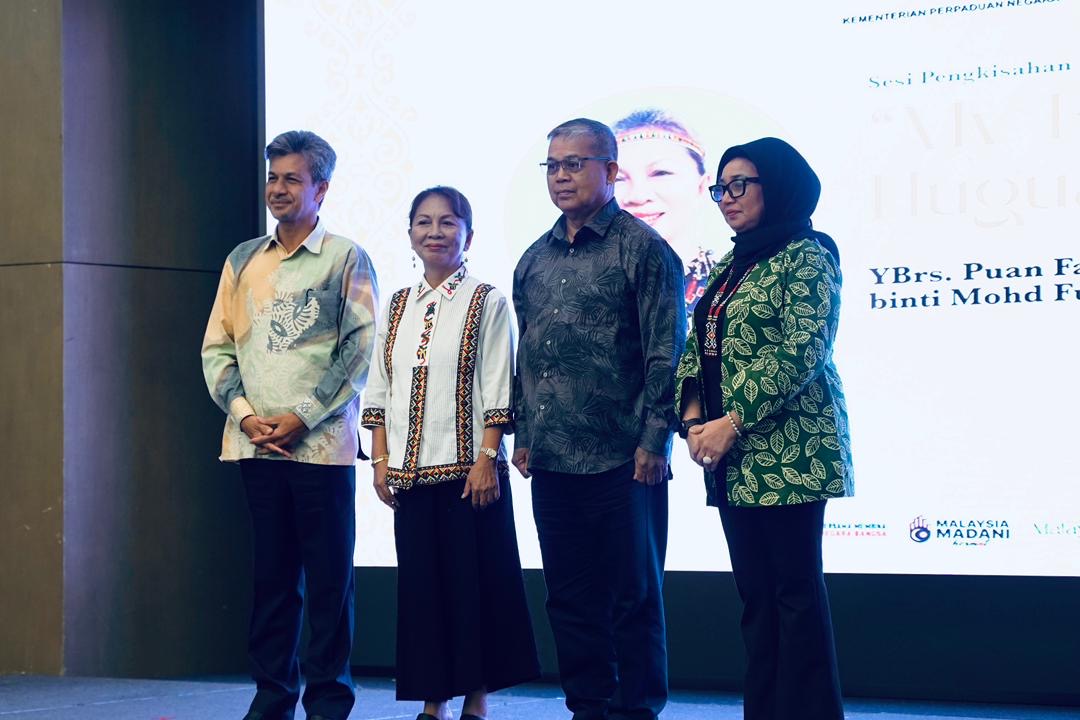
KOTA KINABALU: 15 June 2026 – Tun Fuad Stephens’ struggle in the formation of Malaysia, the safeguarding of Sabah’s rights under the Malaysia Agreement 1963 (MA63), and the unification of people from diverse ethnic backgrounds remain a vital foundation for the nation-building agenda, said National Unity Minister Datuk Aaron Ago Dagang.
Mr Aaron described Tun Fuad – widely recognised as the principal architect of Sabah’s independence and the state’s first chief minister – as having played a key role in the negotiations that led to the formation of Malaysia. That included ensuring Sabah’s interests were protected through MA63 and the 20-point claim.
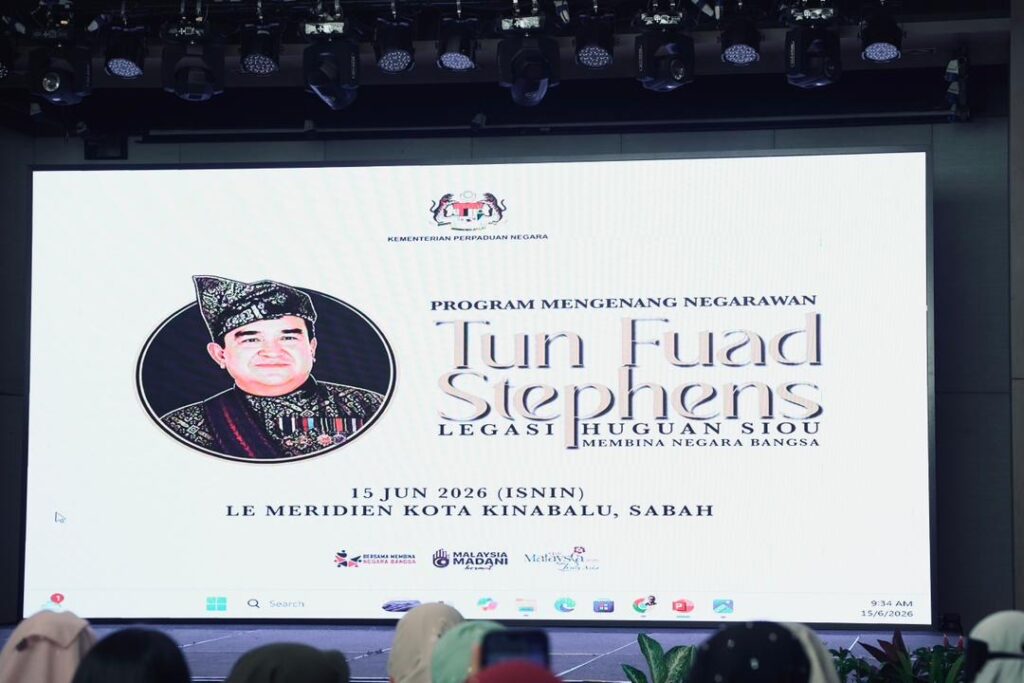
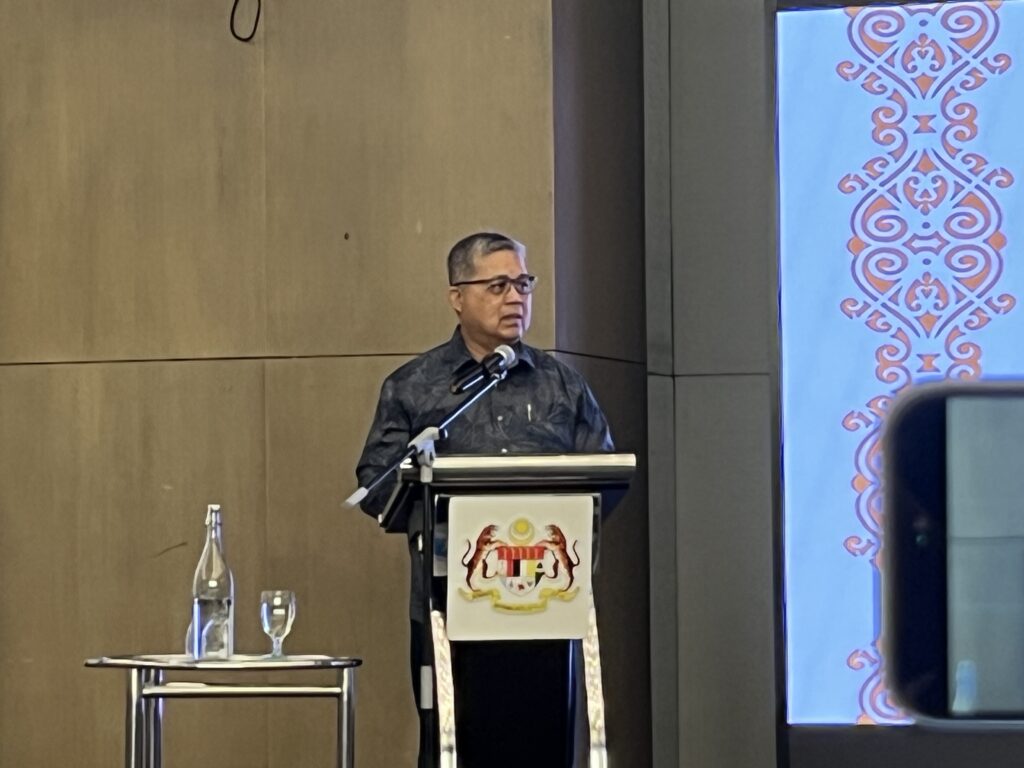
“His contributions endure as a legacy affirming that a nation’s strength is born from unity, mutual respect, and the willingness to come together for a shared future,” the minister said on Monday. He was speaking at the launch of the programme “Remembering Statesman Tun Fuad Stephens: The Huguan Siou’s Legacy in Nation-Building” at Le Meridien Kota Kinabalu.
Tun Fuad also introduced the name “Sabah” to replace North Borneo. He fought for the recognition of the Kaamatan (Harvest) Festival as an official celebration, to strengthen cultural development and education among local communities.
He founded the United National Kadazan Organisation (UNKO) in 1961, and gave a voice to local people through the publication of the North Borneo News and the Sabah Times – newspapers that became important channels for expressing the aspirations of the people before Malaysia was formed.
Mr Aaron said Tun Fuad’s commitment to unity was also evident when he dissolved UNKO in 1967 to merge with the United Sabah National Organisation (USNO) in the interests of national stability and the unification of the people.
According to the minister, nation-building is an ongoing process that requires the commitment of all parties – including the government, educational institutions, civil society, the private sector and the public.