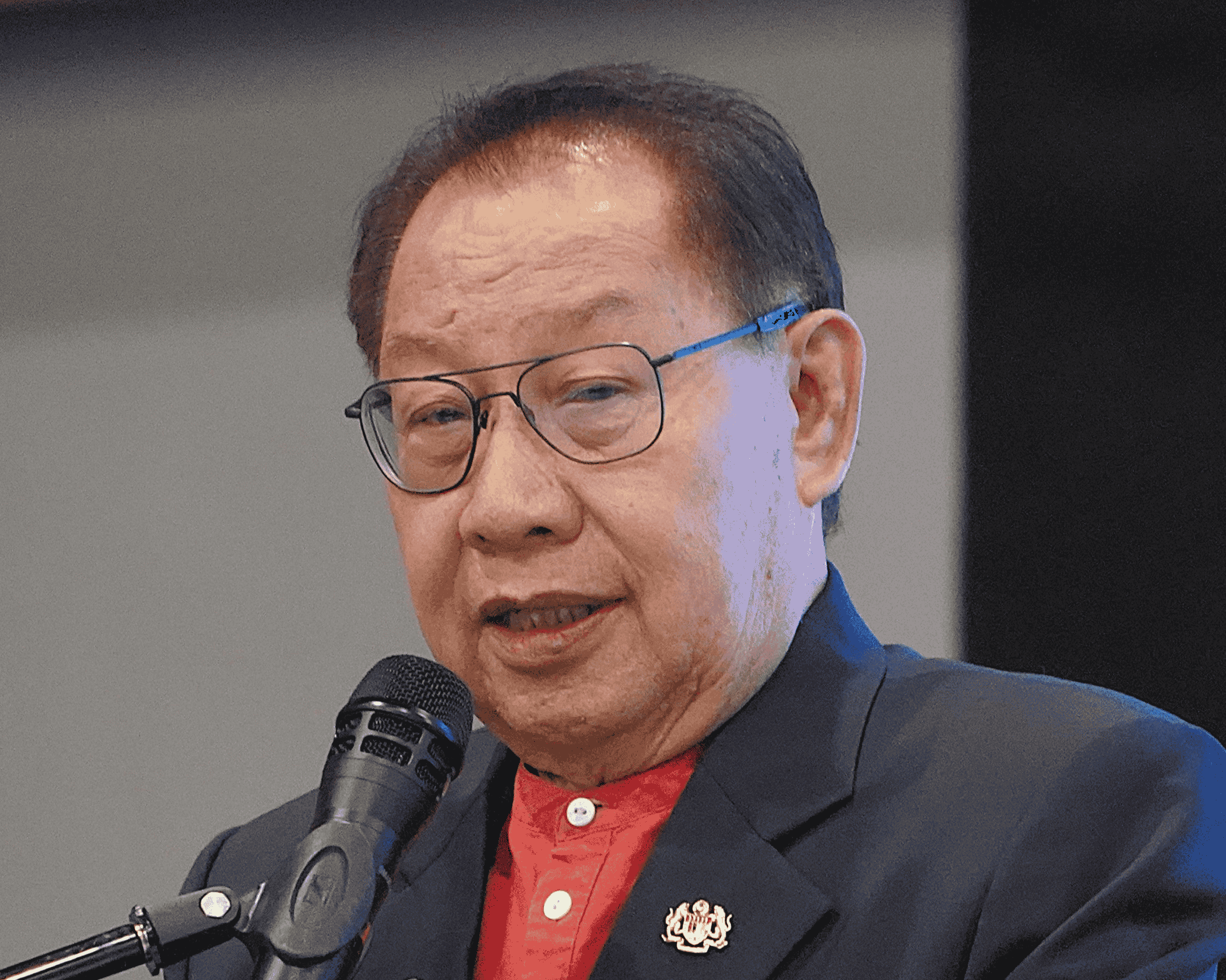
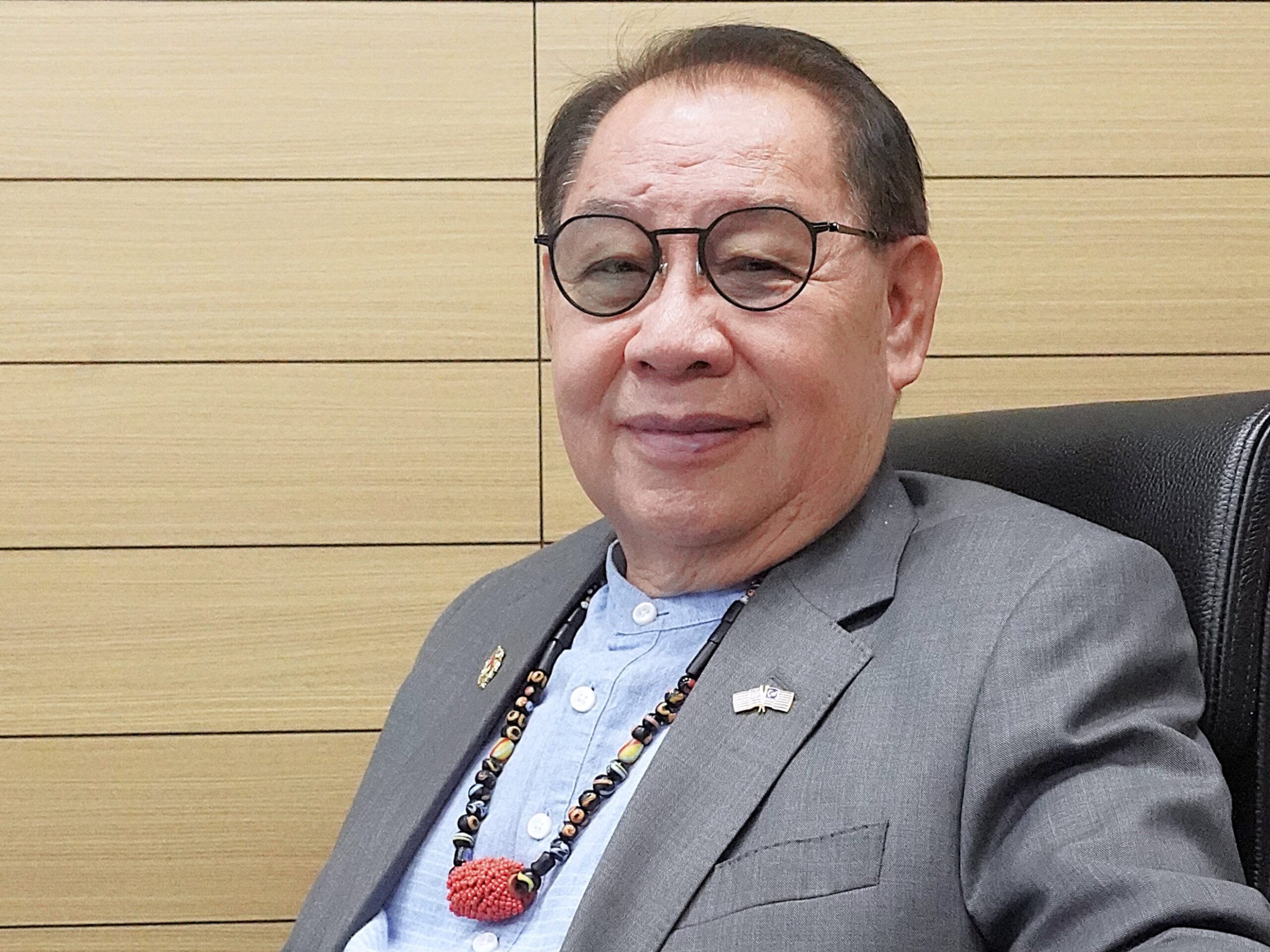
KOTA KINABALU: Sept 12, 2026 – Parti Solidariti Tanah Airku (STAR) president Datuk Seri Panglima Dr Jeffrey Kitingan has called for decisive leadership at both Federal and State levels to resolve Sabah’s 40% net revenue entitlement, saying continued delay is eroding public confidence.
He questioned what was so difficult about determining and implementing the entitlement under Article 112C and Part IV of the Tenth Schedule of the Federal Constitution.
“What is needed is clear, resolute and decisive statesmanlike leadership at both the Federal and State levels. The continuing failure to resolve this constitutional obligation is eroding public confidence in both Governments,” he said in a statement on Saturday (Sept 12).
Kitingan said the constitutional formula is clear: Sabah is entitled to an annual grant equal to two-fifths, or 40%, of the amount by which the net revenue derived by the Federation from Sabah exceeds the corresponding net revenue for the 1963 base year.
“The revenue concerned is derived from Sabah. It is not revenue generated by other states, nor is Sabah asking for charity or an additional discretionary allocation. It is a mandated constitutional right and agreed before the formation of Malaysia,” he said.
He noted that on Oct 17, 2025, the Kota Kinabalu High Court affirmed Sabah’s constitutional right to the 40% entitlement and ruled that the mandatory review for 1974 to 2021 had not been properly conducted.
The court ordered both governments to conduct the review within 90 days and reach agreement on the 40% within 180 days, but the deadlines were stayed by the Court of Appeal pending the disposal of the Federal Government’s appeal.
“Although the Federal Government has publicly maintained that it is not appealing against Sabah’s constitutional entitlement or the 40% formula itself, the appeal and stay have nevertheless delayed the practical implementation of the High Court’s orders,” he said.
He said after decades of delay and repeated assurances, it was no longer acceptable for Sabahans to be told indefinitely that negotiations were continuing.
If there are difficulties in identifying net revenue derived from Sabah, Kitingan proposed a transparent and independently auditable revenue-tracking system, supported by modern digital systems and artificial intelligence where appropriate, to identify, segregate and verify federal revenue from Sabah.
He acknowledged the RM1.5bil interim special grant for 2026 but said it must not be presented as the final settlement or used to delay the final resolution of the 40%.
“Sabah’s entitlement for 2026 is at least RM5bil to more than RM20bil. The precise amount, however, must be determined from complete and verified federal revenue records rather than selective figures or arbitrary interim payments,” he said.
He said the Sabah Government must insist on a proper and transparent review under Article 112D. If no agreement is reached, the matter should be referred to an independent assessor under Article 112D(6), whose recommendations are constitutionally binding on both governments.
Kitingan also called on the State Legislative Assembly to be allowed to debate and adopt a resolution empowering the Sabah Government to pursue the 40% entitlement and other constitutional rights.
“There is no reason to prevent such a resolution from being tabled and debated. Sabah’s 40% entitlement and other constitutional rights belong to all Sabahans; they do not belong exclusively to the GRS Plus Government or any particular political party,” he said.
He said prolonged deprivation of Sabah’s entitlement and decades of inadequate federal funding had contributed to persistent poverty, underdevelopment and infrastructure deficiencies.
Sabah continues to experience unreliable water and electricity supplies, while many roads remain in deplorable condition, he said, citing figures reported in Parliament in February 2026 that identified dilapidated buildings in more than 500 schools, including 30 schools classified under Scale 7 and not fit for occupation or teaching.
“Sabah children should not have to study in unsafe or unsuitable conditions which affect their education while Sabah’s constitutionally guaranteed revenue remains unresolved,” he said.
On Sarawak, Kitingan said it is also constitutionally entitled to special grants under Articles 112C and Part IV of the 10th Schedule, similar to Sabah, except that there is no stipulated formula.
“There is nevertheless no principled reason why Sarawak should be denied a fair, transparent and revenue-based 40% formula like Sabah,” he said, adding that Sabah should support Sarawak’s right to a similar formula but leave negotiations to Sarawak and the Federal Government.
He said the Federal Government should not wait for GE16 to resolve these matters.
“Sabah’s constitutional entitlement is not an election gift, bargaining chip or additional concession. However, it will create a lot of goodwill and support from the Borneo States for the Federal Government if indeed the 40% is returned to Sabah,” he said.
He added that the 40% is a binding constitutional obligation, and immediate implementation would demonstrate that the Federal Government respects the Constitution, honours the foundations of Malaysia and treats Sabah and Sarawak as genuine partners in the Federation.