
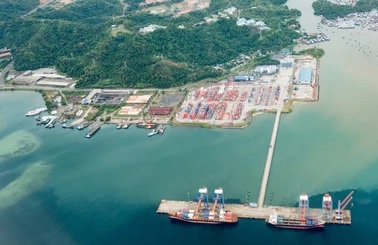
KOTA KINABALU: Former Sabah Air Aviation Sdn Bhd chairman Datuk Kenny Chua has proposed the establishment of an inland port in Sabah as a long-term solution to the worsening congestion affecting the state’s main seaports.
He said Sabah currently does not have an inland port facility, unlike several other regions that use such systems to ease pressure on busy port terminals and improve cargo movement efficiency.
“Inland ports are an important part of modern logistics infrastructure. Sabah does not have one yet, and this is something the government and industry players should seriously consider,” he said when commenting on the ongoing congestion issues at Sepanggar Port.
He noted that the country has several inland ports namely Padang Besar Inland Port, Ipoh Cargo Terminal, Nilai Inland Port, Segamat Inland Port and Tebedu Inland Port in Sarawak.
These facilities function as inland cargo hubs connected to major seaports such as Port Klang, Penang Port and Port of Tanjung Pelepas by road or rail. They help reduce congestion at seaports by handling container storage, customs clearance and cargo distribution inland.
Kenny said the current situation, which has resulted in shipping delays, container rollovers and increased surcharges, highlighted the urgent need for structural improvements in Sabah’s logistics and transportation network.
He proposed an inland port to be built ideally 15km from Sepanggar Port.
It could function as a satellite cargo hub located away from Sepanggar Port, allowing containers to be transferred, stored and cleared more efficiently while reducing congestion at the port itself, he said.
“This would help speed up cargo handling, reduce bottlenecks and lower operational pressure at the main port,” said Kenny, who is also a former Sabah Assistant Finance Minister and Inanam Assemblyman.
Giving an example, he said an inland port could help ease congestion at Sapanggar Bay Container Port by shifting container storage, customs clearance and cargo distribution activities away from the main seaport.
“Instead of containers remaining stacked at Sapanggar for days while awaiting collection or documentation processing, a large portion could be transferred immediately to an inland logistics hub located closer to industrial areas.
“This would allow Sapanggar port to focus mainly on vessel loading and unloading operations, reducing container buildup, truck congestion and delays at the terminal.
“When containers move out of the port faster, ships can unload and depart more efficiently, reducing bottlenecks and operational pressure on the port,” he said.
He noted that manufacturers and businesses in Sabah were already burdened by higher logistics and transportation costs compared to Peninsular Malaysia, and prolonged congestion could further undermine the state’s competitiveness.
He said an inland port could also support future industrial growth by improving supply chain connectivity between ports, industrial parks and distribution centres across Sabah.
His proposal comes amid growing concern from the Federation of Malaysian Manufacturing over persistent port congestion, which has led to additional shipping surcharges and delays affecting businesses statewide.
The FMM says delays such as container backlogs, shipping disruptions, and slow cargo handling have become so bad that shipping companies are now adding new surcharges. Businesses are being charged hundreds of ringgit more per container, even though the manufacturers argue the problems are caused by poor port operations, not by them.
Manufacturers say the extra costs are especially unfair because Sabah companies already pay more for raw materials and fuel than businesses in Peninsular Malaysia. Some companies are reportedly losing overseas customers and orders because shipments are unreliable.
“It’s like adding insult to injury to Sabah companies. I can understand their anger. Already they have to deal with severe congestion, now additional surcharges,” said Kenny.
He stressed that the extra business costs are likely to eventually be passed on to consumers through higher prices, which could reduce people’s spending power and harm Sabah’s industrial economy over time.
“To resolve a problem of this scale calls for team work. So, I call on as many business groups to come up with what they think are the best solutions and bring them up to the State Government.”