by David E.
RANAU: Oct 10, 2026: Efforts to preserve the sustainability of the Dusun ethnic language and culture must be strengthened through the involvement of the younger generation, educational institutions and digital technology, said Sabah Deputy Chief Minister I and Works and Utilities Minister Datuk Seri Panglima Dr Joachim Gunsalam.
He said the move was important to ensure the Dusun community’s heritage remains relevant and is not lost to the passage of time.
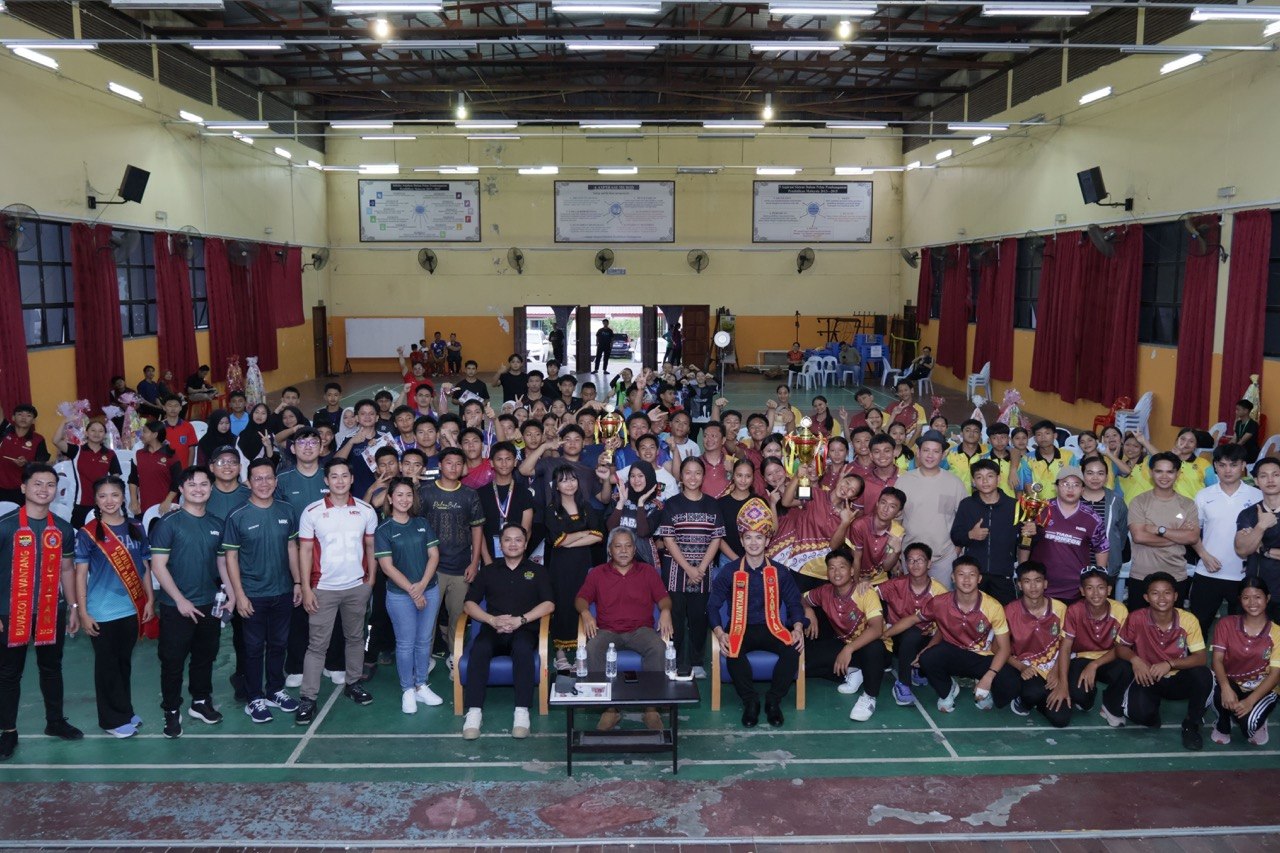
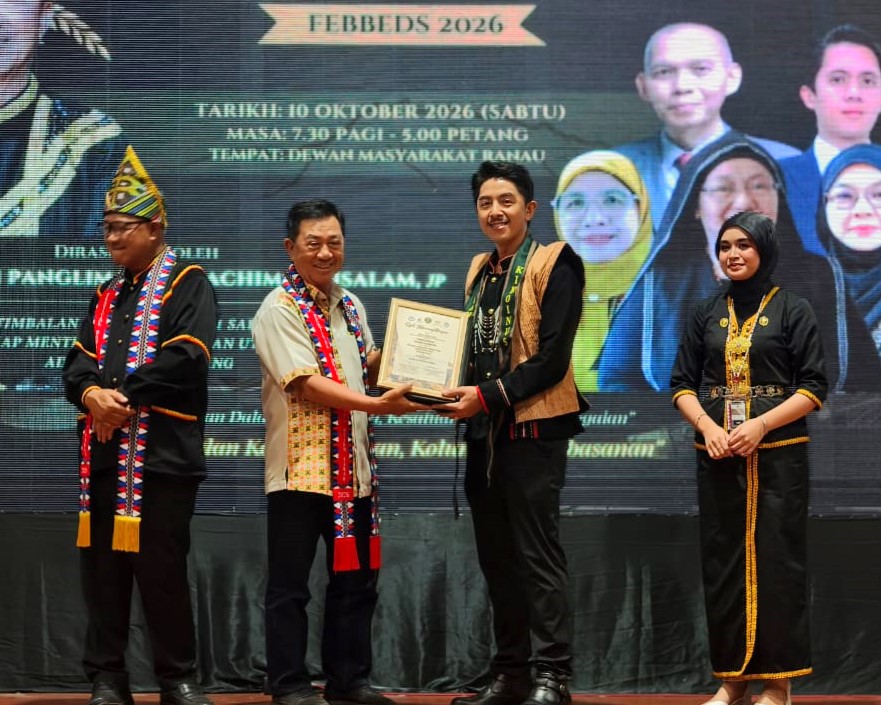
Speaking at the closing ceremony of the Ranau Dusun Language and Culture Festival and the launch of the Ranau Ethnic Learning Centre (RELC) and the Ranau Wikimedia Community Association here yesterday, Joachim said the Dusun language was not merely a tool of communication. It is a symbol of identity, history, customs and the heritage of knowledge passed down from one generation to the next.
According to him, the sustainability of the Dusun language needed serious attention because the loss of a language not only meant losing a means of communication, but also threatened the wealth of knowledge, folklore, life values and traditional wisdom inherited from ancestors.
“If a language is increasingly rarely used, we actually risk losing part of our own community’s identity and heritage,” he said.
Joachim, who is also the Kundasang assemblyman, said the responsibility of ensuring the Dusun language remains alive should not be placed on any particular group. Instead, it requires the commitment of the entire community, especially parents and the younger generation.
He said the use of the mother tongue must be cultivated in daily life so that the new generation not only recognises Dusun as a heritage, but is able to speak and use it confidently.
He reminded young people not to regard mastery of their mother tongue as outdated even as they are increasingly exposed to Malay, English and other international languages.
He noted that progress in education, the economy and technology should strengthen one’s own language and culture, not distance the community from its heritage roots.
Joachim described the establishment of RELC as an important step to preserve and document the Dusun ethnic language and culture systematically. He hoped the centre would not merely be a place to store artefacts and exhibits, but a learning centre that connects the knowledge of earlier generations with the creativity and technological skills of the younger generation.
The launch of the Ranau Wikimedia Community Association, meanwhile, could expand efforts to document history, language, folklore, customs and traditional knowledge through digital platforms accessible to the global community.
According to Joachim, modern technology including digital dictionaries, recordings of spoken Dusun, podcasts and online learning materials could ensure the language continues to be learned and used. He also saw the potential for artificial intelligence (AI) to be used responsibly to support the learning and preservation of the mother tongue.
He encouraged schools, colleges and universities to collaborate with cultural organisations and local communities in collecting historical and language materials as educational and research resources.
Joachim stressed that the diversity of languages and cultures among Sabah’s communities was a strength that must be preserved because each language carries its own identity and wealth of knowledge.
He hoped efforts to elevate the Dusun language would not stop after the festival, but continue through education, documentation, research and active use in the community.
Earlier, he expressed appreciation to the Dusun Bundu Sabah Cultural Association (PKDBS), RELC, the Ranau District Education Office, Ranau District Office, Ranau District Council and all parties who made the festival a success.
He hoped both initiatives would be catalysts for continuous efforts to ensure the Dusun language remains alive, spoken, learned and passed down to future generations.