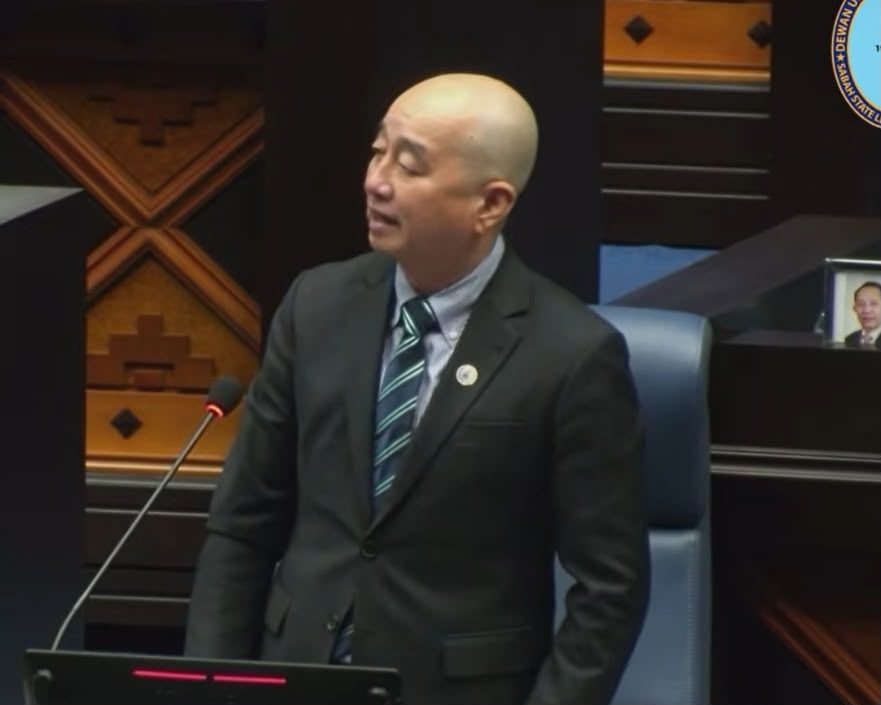

KOTA KINABALU: August 1, 2026 — A senior figure in Sabah’s Parti Solidariti Tanahairku (STAR) has called on the state’s Chinese community to embrace a new multi-ethnic political platform that reflects the state’s evolving political landscape, arguing that traditional race-based parties are ill-equipped to address contemporary challenges.
Jin Tze Vun, STAR’s Beaufort Division Chief and Parliamentary Coordinator, said voters were increasingly prioritising governance, policy direction and tangible results over political history, symbols or individual personalities.
“As Sabah’s political landscape continues to evolve, the traditional model of Chinese race-based political parties is finding it increasingly difficult to adapt to the needs of a new era,” Jin said in a statement on Thursday.
“The Chinese community should build a new political platform founded on multi-racial cooperation that not only safeguards the community’s legitimate interests but also contributes pragmatic and forward-looking policies for Sabah’s overall development.”
His remarks follow Chief Minister Datuk Seri Hajiji Noor’s announcement of increased state funding for vernacular education and religious organisations. Annual allocations for Chinese independent secondary schools, mission schools and non-Muslim religious bodies have reportedly risen from RM43 million in 2020 to RM90 million.
Jin welcomed the move, describing it as evidence of the state government’s commitment to supporting Sabah’s cultural, educational and religious diversity.
However, he cautioned that financial assistance alone could not secure long-term community development.
“Sustainable development requires continuous participation in public policymaking so that communities have stable and effective representation to advocate for their interests in education, the economy, youth development, cultural preservation and industrial transformation,” he said.
Jin noted that the political influence of traditional Chinese-based parties in Sabah had declined over the past decade, with more Chinese voters shifting support towards multi-racial parties and emerging political forces.
He suggested that attempts by some traditional parties to regain support by recruiting veteran politicians or prominent figures were unlikely to succeed without meaningful policy reform.
“Political credibility cannot be rebuilt simply through organisational restructuring or the popularity of individual leaders,” he said. “It depends on whether a party can earn the public’s trust over the long term through reform, effective governance and policies that address people’s needs.”
Drawing on his engagement with business groups, educators, youth organisations and local communities, Jin said the concerns of Sabah’s Chinese community had broadened beyond ethnic issues to include employment opportunities, industrial upgrading, the digital economy, entrepreneurship, education competitiveness and youth development.
He said any new political platform should focus on policy research, governance reform and inclusive administration rather than solely representing ethnic interests.
Jin also called for Sabah politics to prioritise meritocracy, integrity, transparency and professional governance, with greater emphasis on education reform, artificial intelligence, digitalisation, small and medium-sized enterprise development, youth entrepreneurship, talent cultivation and the green economy.
He urged more young professionals from fields including technology, finance, law, medicine and commerce to participate in public affairs, while encouraging experienced politicians to mentor the next generation of leaders.
“The legitimacy and vitality of any political party come from the trust of the people, not from past achievements or the reputation of veteran politicians,” Jin said.
“If Sabah’s Chinese community wishes to remain an important contributor to the state’s development, it must embrace reform, encourage innovation and work together with all communities to build a more prosperous, inclusive and competitive Sabah.”