KOTA KINABALU: July 21, 2026 – Behind the federal government’s good intentions in channelling diesel subsidies through the BUDI programme to the people lies a harsh reality faced by Sabah’s rural communities – where a vehicle is not merely a mode of transport, but a lifeline.
In Nabawan, a remote district approximately 173 kilometres from Kota Kinabalu, the use of four-wheel-drive vehicles and diesel-powered machinery is not a luxury. It is a daily necessity for survival.
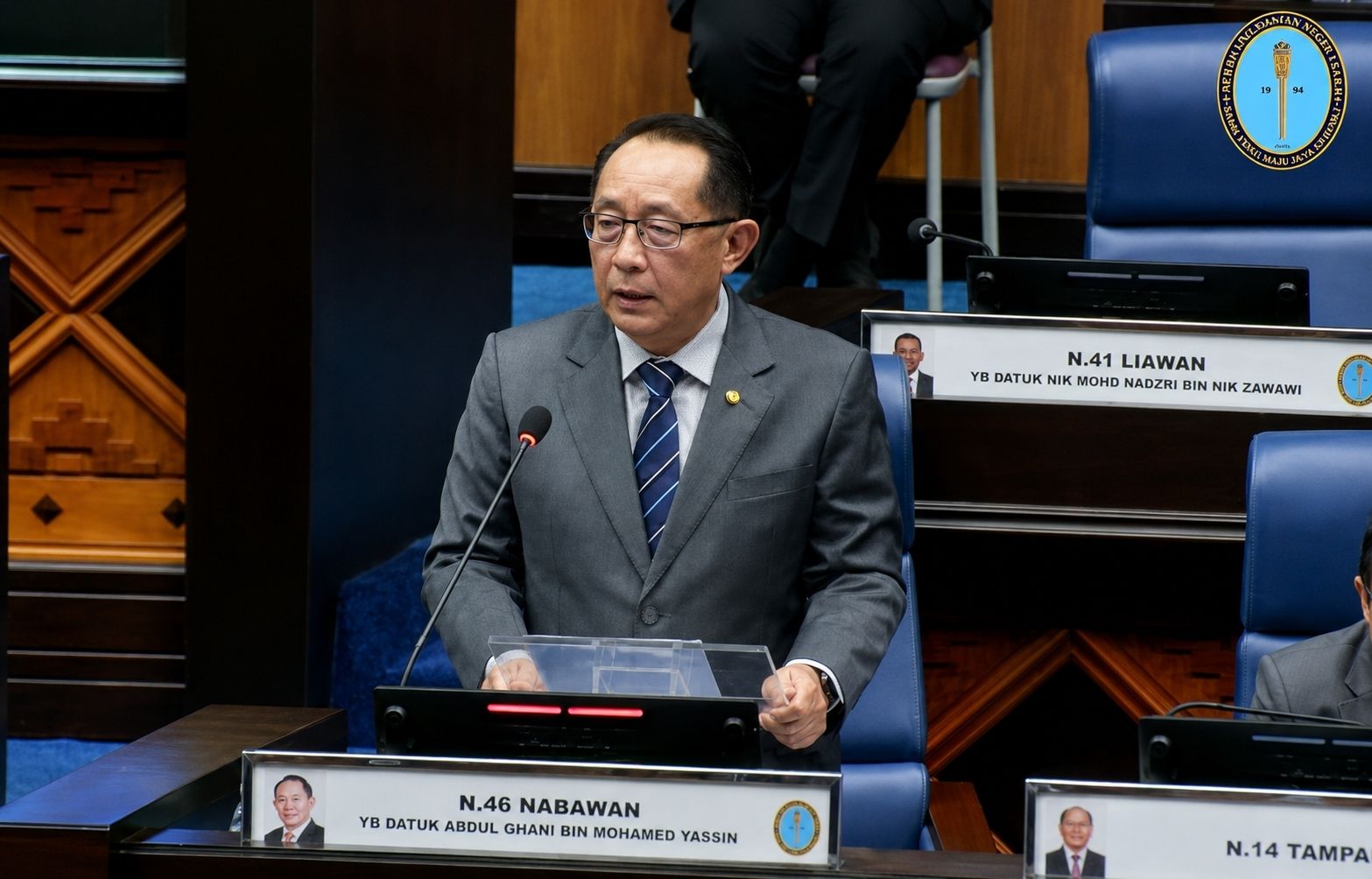
Nabawan State Assemblyman, Datuk Abdul Ghani Mohamed Yassin, voiced the concerns of his constituents in the interior, who have come under increasing pressure since the BUDI Diesel programme was implemented on 1 July.
“The practice of sharing vehicles within families is common here. There are vehicles used by farmers to transport agricultural produce, but they are registered under the names of other family members working in the city,” he said during the debate on the 2026 Supplementary Supply Bill in the Sabah State Legislative Assembly today.
For the residents of Nabawan, a daily journey is not simply a 20-minute drive across two or three states, as might be the case in Peninsular Malaysia. In Sabah, three hours of driving is only enough to cross one or two districts.
The BUDI Diesel programme offers a basic quota of 200 litres per month at a subsidised price of RM2.10 per litre, compared to the market price of RM3.97 per litre. For pickup truck and jeep owners, an additional 100 litres may be applied for.
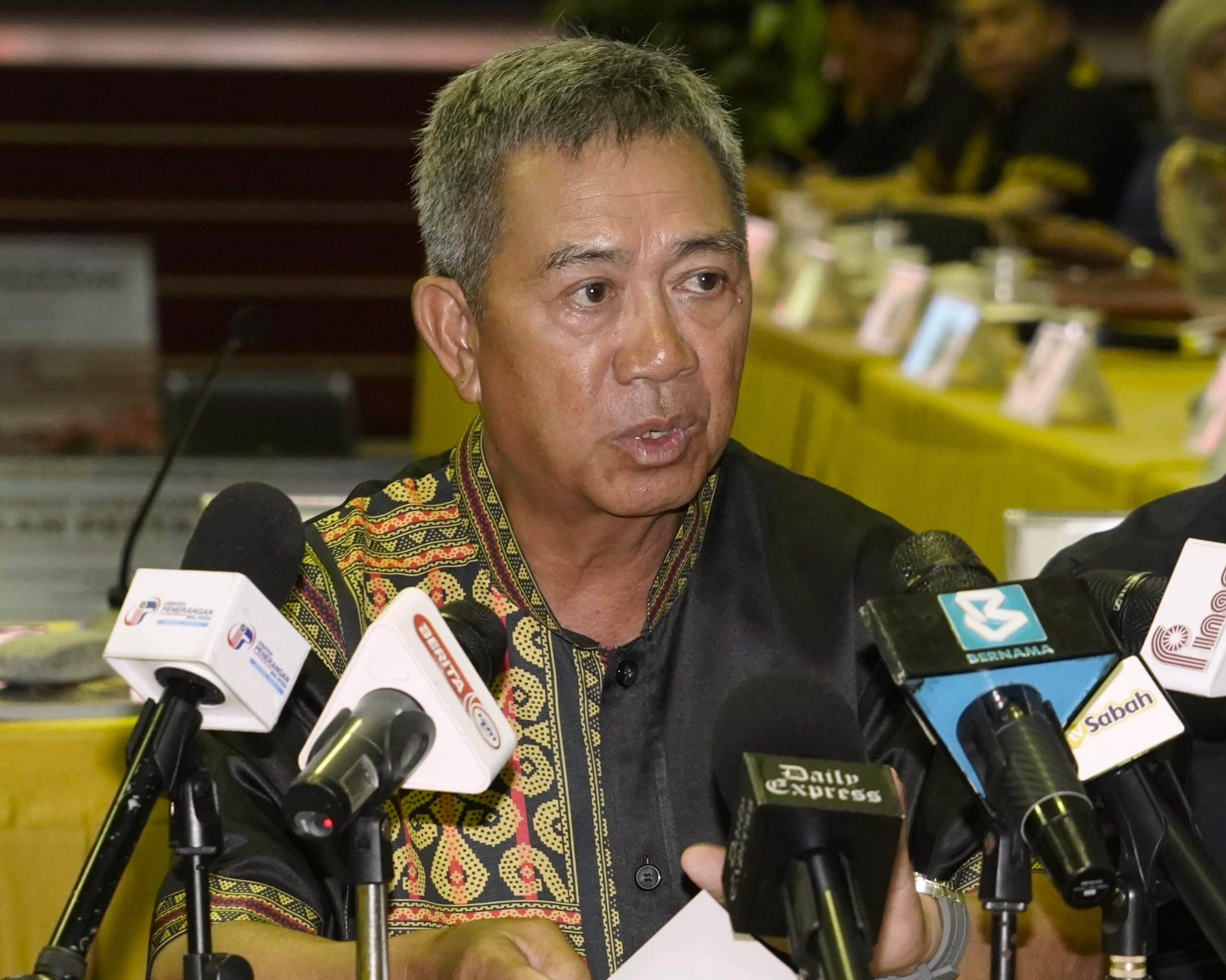
However, for residents in remote areas such as Kuamut, a single round trip to Kota Kinabalu alone can consume up to 200 litres of diesel in one day. “That is just one round trip, yet we are allocated only 200 litres for an entire month,” said Sabah State Legislative Assembly Backbenchers Club Chairman, Datuk Masiung Banah.
Abdul Ghani stressed that the subsidy mechanism must take into account the real circumstances of rural communities, so that they are not adversely affected by overly stringent conditions.
More distressing is the fact that many farmers and rural residents use vehicles that are not registered in their own names – having been purchased through company loans or hire-purchase arrangements. This means they are ineligible for the BUDI Diesel subsidy.
“This group does not enjoy the BUDI Diesel subsidy and is forced to buy diesel at the market price of RM3.97 per litre, thereby increasing their cost of living,” said Masiung.
Minister in the Prime Minister’s Department (Sabah and Sarawak), Mustapha Sakmud, said the government would take into account feedback from Sabah and Sarawak to improve the implementation of targeted diesel subsidies. Prime Minister Anwar Ibrahim is also said to have listened to grassroots views on the challenges of implementing the BUDI Diesel programme.
Abdul Ghani, who is also Chairman of the Sabah Land Development Board (SLDB), emphasised that diesel is not only used for vehicles. In rural areas still lacking electricity supply, diesel powers generators to light homes and operate basic appliances.
He also questioned the role of enforcement agencies in combating the smuggling and misuse of subsidised diesel, so that action against leakages does not adversely affect the intended recipients.
Beyond the subsidy issue, Abdul Ghani also raised concerns over delays in infrastructure development projects in Nabawan. The Sungai Pancuran Bridge project and the construction of the Jalan Kraftangan Bridge are reportedly facing allocation problems and delays.
He also urged the government to consider constructing a motorcycle route connecting Kampung Sinapar to Kampung Saliliran and onwards to Kampung Kabu – which to this day still lacks a connecting road, even though the country achieved independence more than six decades ago.
Beyond the figures and statistics, every litre of diesel that fails to reach those who truly need it represents another burden borne by a community that has long been marginalised. The voices from Nabawan serve as a reminder that a policy which looks good on paper does not necessarily translate into good outcomes on the ground.