KOTA KINABALU: July 4, 2026 – The Sabah government will continue to strengthen human capital development through the Sabah Maju Jaya (SMJ) 2.0 Roadmap, aiming to produce more skilled workers capable of meeting the demands of future industries – particularly in artificial intelligence (AI), digital technology, and other high-impact strategic sectors.
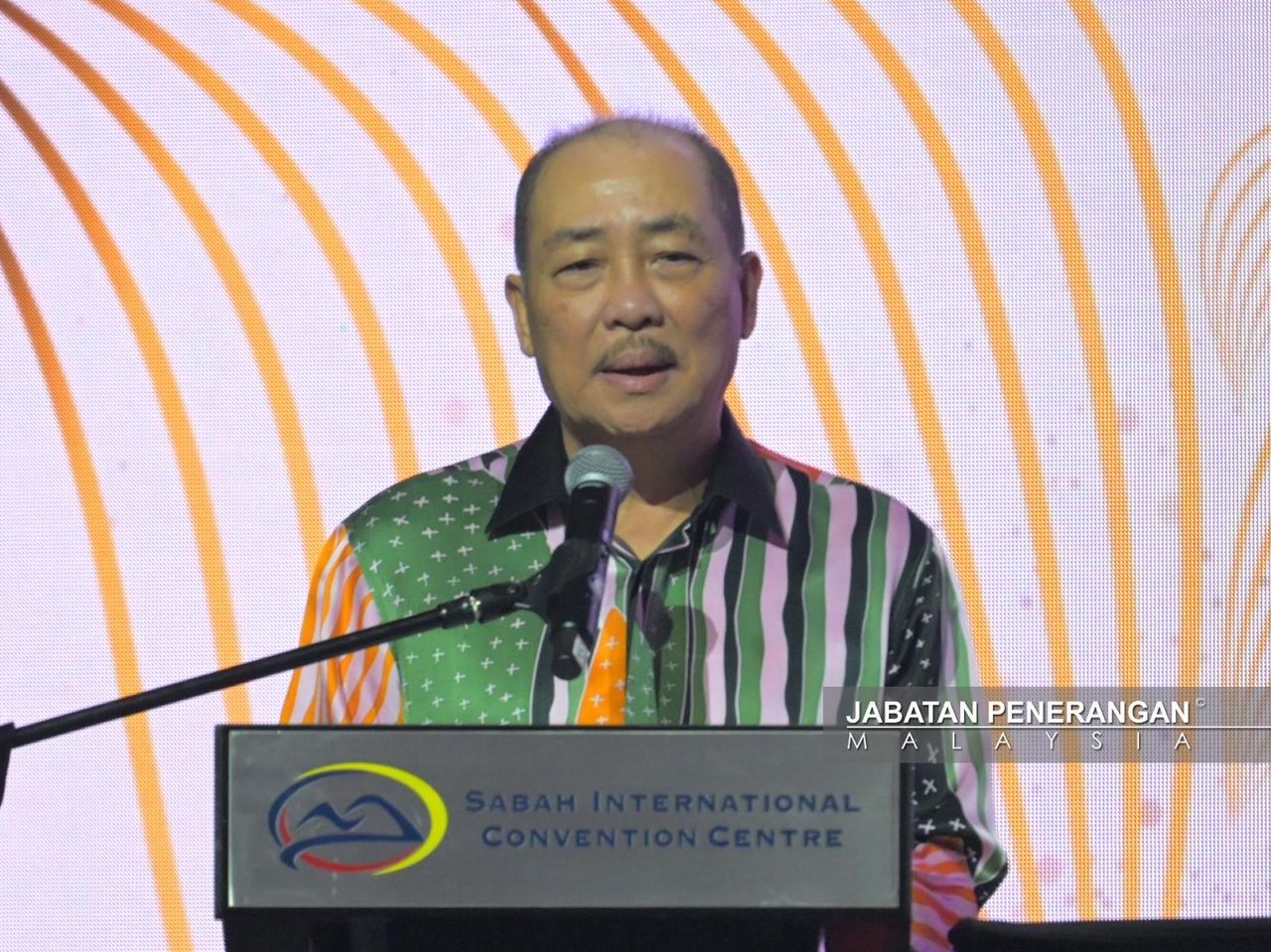
Chief Minister Datuk Seri Panglima Haji Hajiji Haji Noor said these efforts were crucial to ensuring Sabah is prepared for the rapid changes taking place in the global technology and economic landscape.
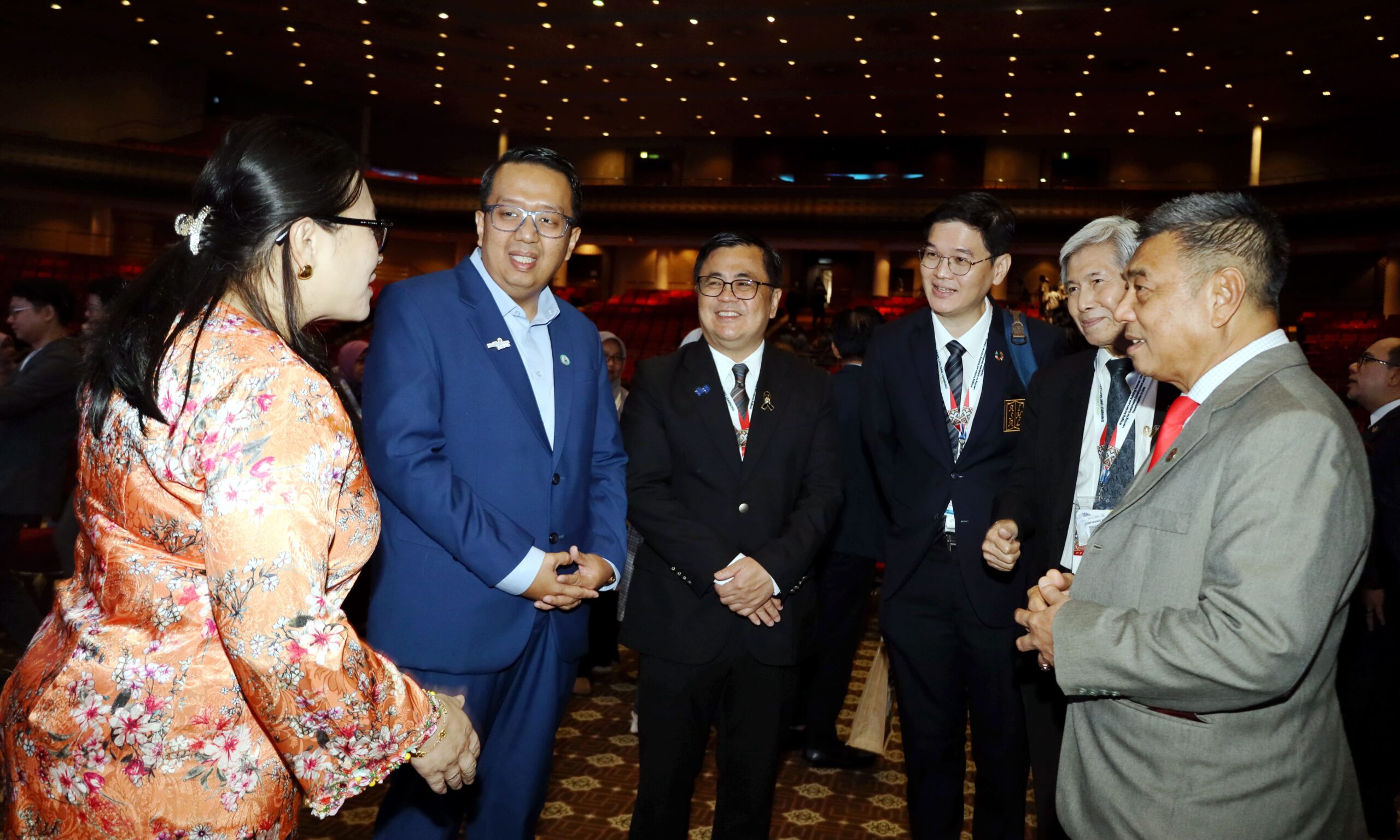
His remarks were delivered in a speech read by Assistant Minister of Tourism, Culture and Environment Dr Andi Md Shamsreezal at the official opening of the International Conference of the Association of Southeast Asian Institutions of Higher Learning (ASAIHL), held at Universiti Malaysia Sabah’s (UMS) Chancellor Hall.
According to Hajiji, Sabah still faces several challenges in expanding lifelong learning opportunities – including geographical factors, remote interior areas, and the digital divide between urban and rural communities.
In response, he said the government encourages collaboration between higher education institutions, community colleges, vocational training centres, and non-governmental organisations to broaden access to continuing education.
He noted that developments in AI, big data analytics, machine learning, and digital platforms are now reshaping the education landscape and the world of work – requiring educational institutions and the workforce alike to adapt to technological progress.
He said universities across Asia have significant opportunities to expand educational access through online learning, micro-credentials, virtual classrooms, and AI-assisted personalised learning.
Hajiji also informed the gathering that ASAIHL 2026 has drawn participation from eight countries – Malaysia, Indonesia, Thailand, the Philippines, Iran, Uzbekistan, Cambodia, and France – thereby strengthening international academic cooperation.
He also praised UMS’s role in advancing lifelong learning through various outreach programmes, professional development initiatives, and community engagement activities, and expressed hope that more institutions would come forward to collaborate in promoting a culture of lifelong learning.