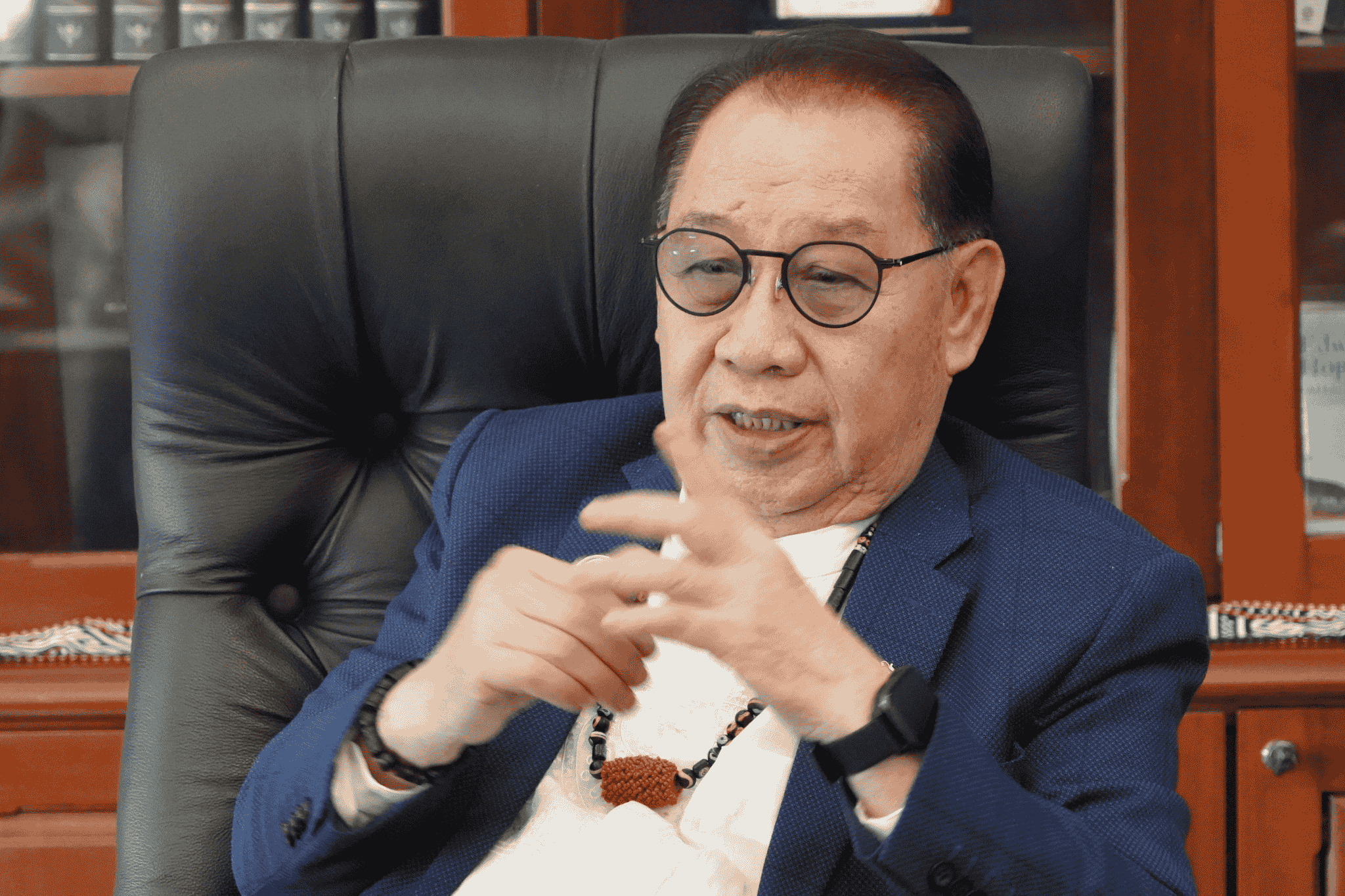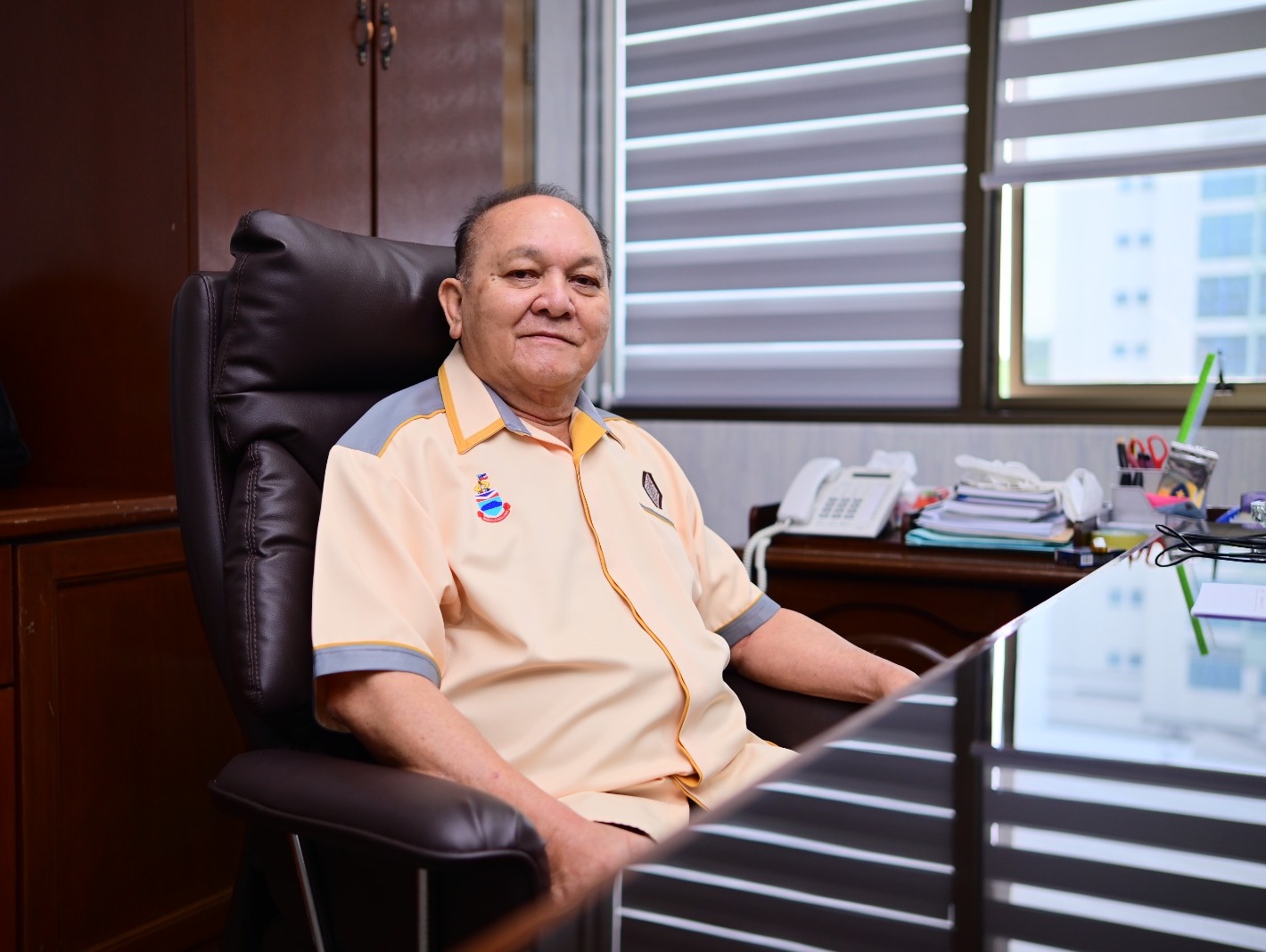

KOTA KINABALU: A Sabah-based non-governmental organisation has voiced support for the stance taken by Sarawak minister Dato Sri Abdul Karim Rahman Hamzah on the proposed increase in the number of seats in the Sarawak Legislative Assembly, while taking a subtle swipe at calls for further research on the matter.
Bantu Orang Susah Sabah (BOSS) president Datuk Kenny Chua said the decision by the Sarawak Legislative Assembly to increase its seats from 82 to 99 had already gone through the proper democratic process and should be respected.
He was responding to remarks by Minister in the Prime Minister’s Department (Law and Institutional Reform) Datuk Azalina Othman Said, who reportedly said additional research might be necessary as the move could have implications for other states.
Chua said it was somewhat curious that the need for further research was raised only after the matter had already been debated and approved by Sarawak’s elected representatives.
“One would imagine that the research phase would normally take place before a matter reaches and is passed by the Sarawak Legislative Assembly,” he said in a statement.
He added that while research and due diligence are always welcome in policymaking, they should not become a convenient reason to delay or cast doubt on decisions made by a sovereign state legislature.
“The Sarawak Legislative Assembly is not a casual forum where decisions are made lightly. It is an august House where elected representatives deliberate on matters affecting the people they serve,” he said.
Chua, who is former Inanam Assemblyman and Sabah Assistant Finance Minister, said the expansion of constituencies in Sarawak should be viewed as a practical measure to improve representation for communities across Borneo, particularly those in rural and interior areas.
“Sabahans understand the realities faced in Sarawak because we share many of the same challenges — vast territories, scattered populations and communities that deserve closer representation,” he said.
He added that strengthening representation in Sarawak was also consistent with the spirit of the Malaysia Agreement 1963, which recognises Sabah and Sarawak as equal partners in the federation.
“A stronger voice for Sarawak and Sabah does not weaken Malaysia. On the contrary, it strengthens the federation by ensuring that the concerns of Borneo states are properly represented and addressed,” he said.
Chua also echoed Abdul Karim’s remarks on the issue of resource sharing, noting that Sabah and Sarawak have long contributed significantly to the nation’s oil and gas sector through entities such as Petroliam Nasional Berhad.
“For decades, the resources of Borneo have supported national development. It is therefore only fair that the people of Sabah and Sarawak continue to seek equitable returns so that we can address poverty, improve infrastructure and expand opportunities for our communities,” he said.
He added that BOSS believes stronger political representation would ultimately help ensure that the voices of rural and underprivileged communities in Sabah and Sarawak are heard more clearly at all levels of government.
“As an organisation dedicated to helping the poor, we believe better representation means the voices of struggling communities in Sabah and Sarawak will be heard more clearly,” he said.