By: Nurul Fazliana Norman
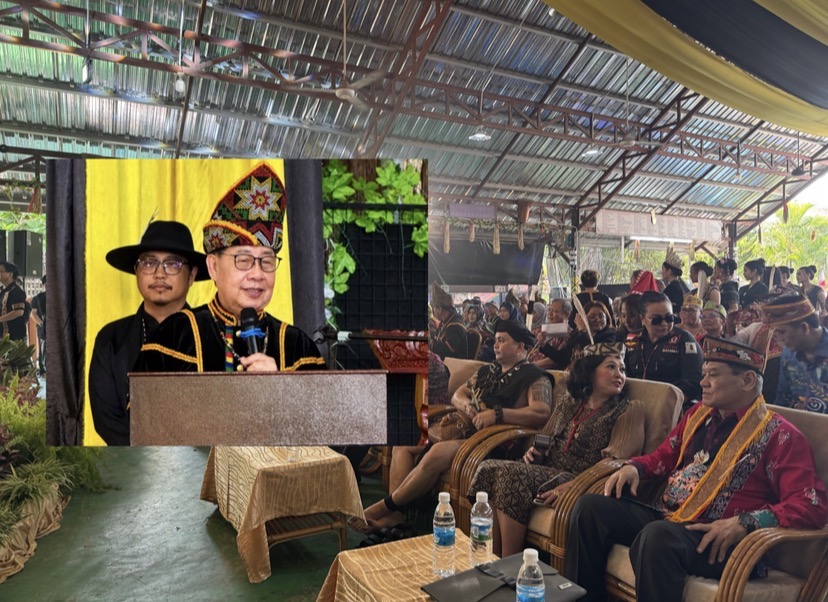
PENAMPANG: 23 Aug, 2026 —Indigenous communities from Sabah, Sarawak, Kalimantan and Brunei have pledged to strengthen unity in their collective effort to defend their rights, native customary land, languages and cultural heritage — all of which face growing threats of discrimination amid rapid modernisation.
The commitment was made during the Sabah World Indigenous Peoples Day 2026 (SHOAS2026) celebration held at the Koisaan Cultural Village in Penampang yesterday .
Participants highlighted pressing challenges facing their communities, from land grabs and cultural erosion to systemic discrimination, while also exploring how emerging technologies such as artificial intelligence could be harnessed to preserve their heritage for future generations.
Kelvin Allen, a participant from Sabah, said modernisation has led to the gradual abandonment of indigenous customs, culture and traditions.
“The issue is that these customs, culture and traditions are increasingly being left behind or forgotten,” he said.
He suggested that artificial intelligence (AI) could be utilised to access historical information and the heritage of ethnic groups that are otherwise difficult to obtain.
However, he cautioned the community against fully accepting information generated by AI, noting that the technology is also prone to errors.
His views align with the theme of SHOAS2026, which emphasises the role of AI in shaping the future while defending rights through Borneo Dayak unity and solidarity.
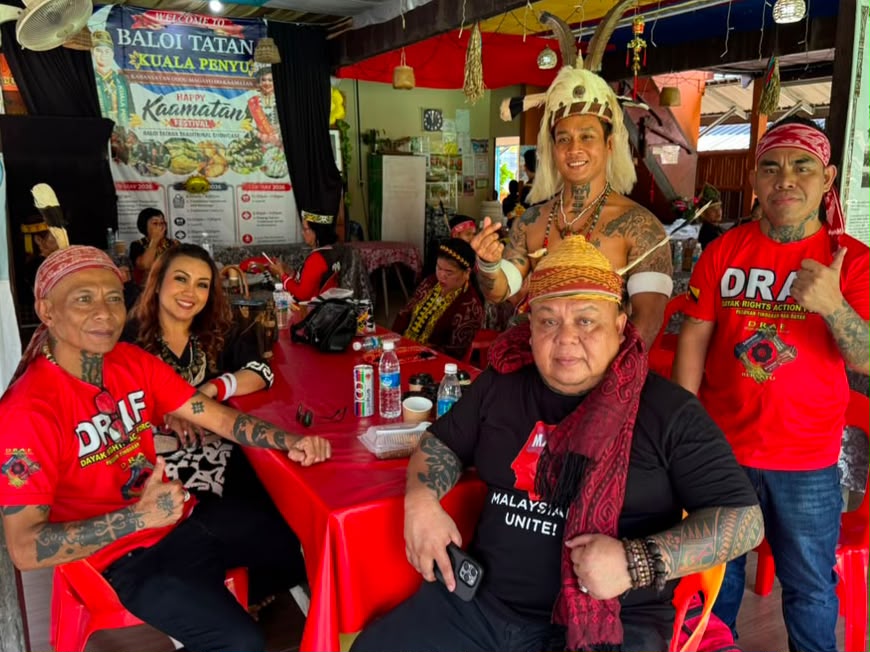
A representative from Sarawak, meanwhile, identified native customary land rights as one of the greatest challenges facing indigenous communities.
“The biggest issue is land — the seizure of native customary land,” he said.
He stressed that education and technological literacy are crucial for indigenous communities to understand their own rights.
“Education is important for indigenous peoples. If we are not knowledgeable, how can we know our own rights?” he added.
Customary laws, education, Dayak sovereignty and native forests were among the key topics discussed during the SHOAS2026 sessions.
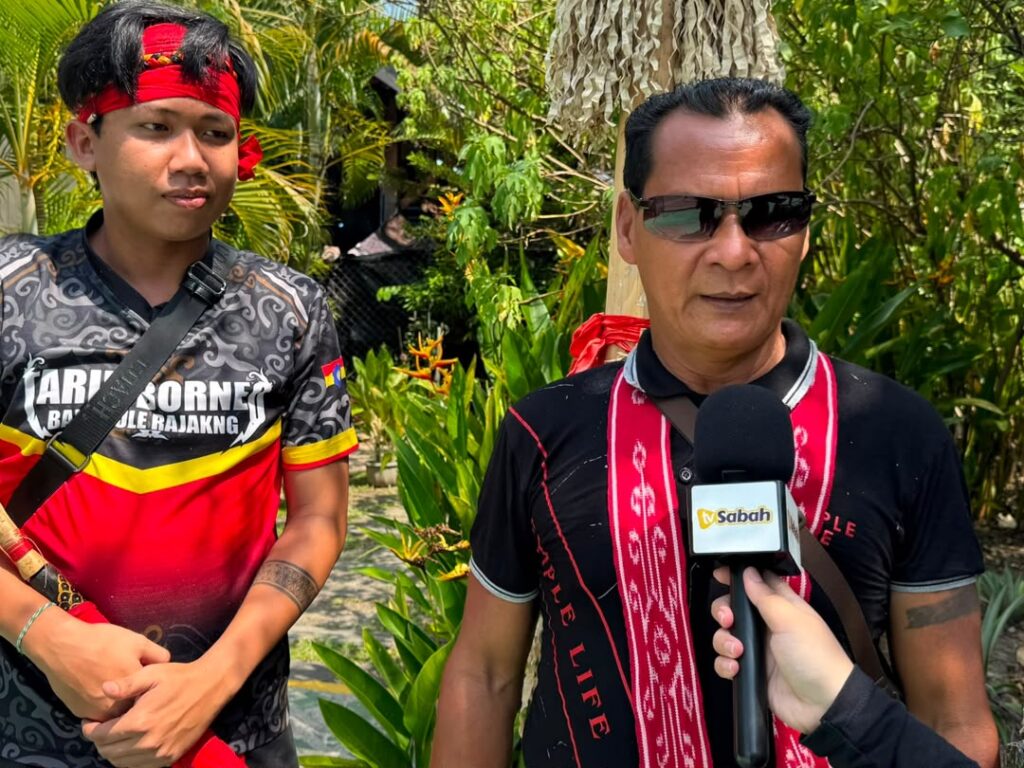
Pak Nadi, a participant from West Kalimantan, said discrimination against indigenous communities remains a major concern that demands urgent attention.
“The biggest issue we face is discrimination. The local population is being marginalised,” he said.
He called on the Dayak communities of Sabah, Sarawak, Brunei and Kalimantan to remain united in strengthening the voice of indigenous peoples, while clarifying that such unity was not intended to divide nations.
“We are not dividing nations — we are uniting the indigenous Dayak peoples,” he said.

Jacqueline Marvey, also from West Kalimantan, viewed AI as an opportunity to help younger generations preserve languages, stories and traditional knowledge that are rapidly disappearing.
“There are languages that have been lost, and we can no longer find elders who speak them,” she said.
She noted that the gathering of indigenous communities from Sabah, Sarawak, Kalimantan and Brunei provided a platform for them to share culture, experiences and shared identity.
“We share the same blood, and that makes us stronger,” she said.
SHOAS2026 also featured sessions on Dayak cultural assets, customary laws and the education of Sabah’s native children, economic sovereignty, native forests, and border issues from the perspective of Borneo’s indigenous communities.
The three-day programme, which runs from August 21 to 23 at the Koisaan Cultural Village in Penampang, is being held under the theme “Indigenous Peoples and AI: Shaping Our Future and Defending Our Rights Through Borneo Dayak Unity and Solidarity.”