PENAMPANG: Nov 8, 2026 – Many elderly people in Sabah are forced to live alone in villages. Younger generations are migrating out of the area to work. This situation is weakening the family care system practised for generations.

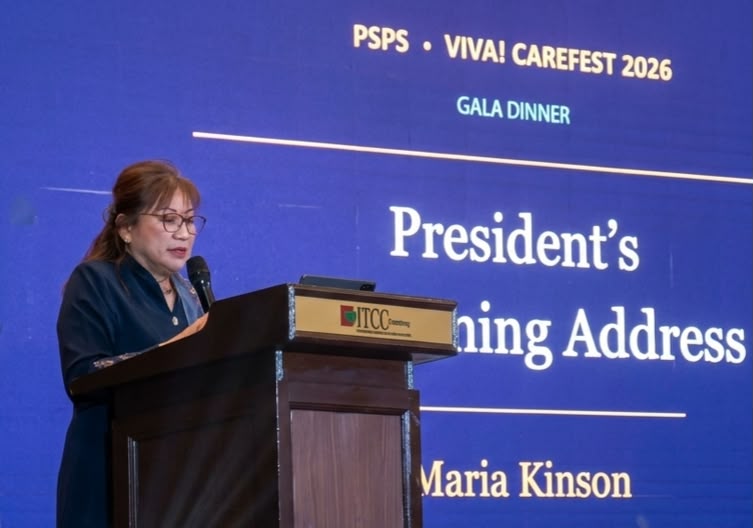
“Love does not disappear. But the old arrangements that carried it before are now fragile,” said President of the Sabah Care Support Association (PSPS), Maria Kinson, during the official launch of PSPS at the VIVA! Carefest 2026 Charity Dinner at ITCC Hall recently. The event was attended by over 300 community representatives including village leaders, traditional chiefs, families, NGOs and care providers.
“Sabah has known this would happen since 30 years ago. Data has never been the problem, but action. More than 300 people from our villages and communities have already expressed agreement. That is the community saying that this responsibility belongs to us,” she added.
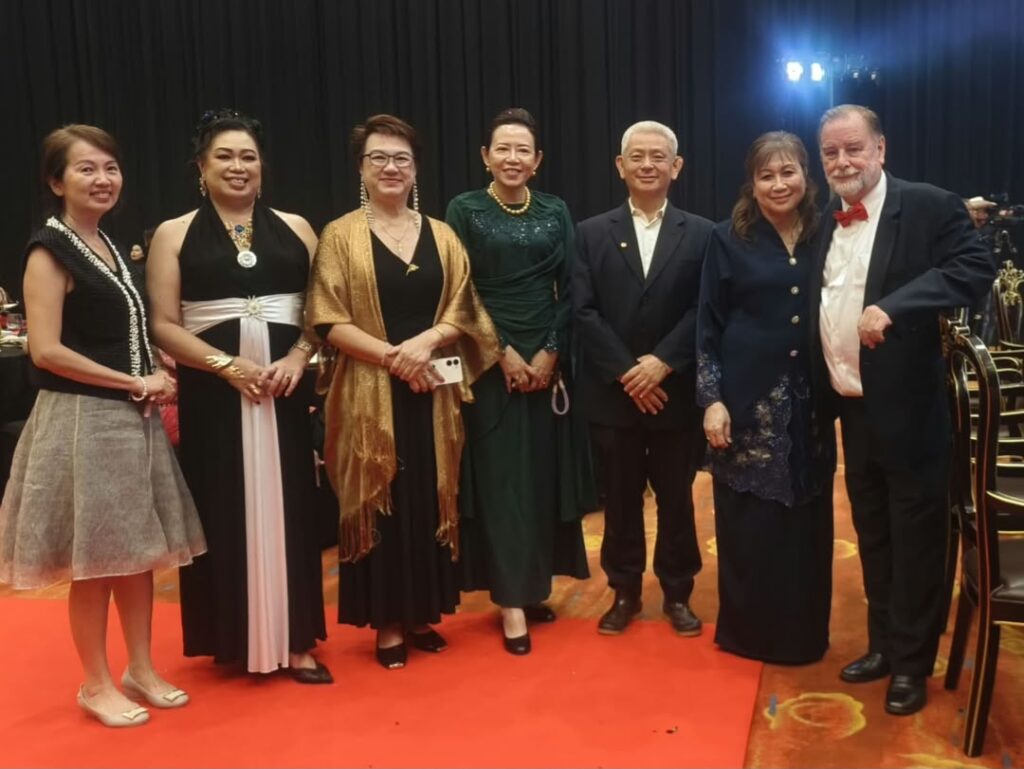
She said the community needs government support through clear information delivery, recognised care training pathways and assistance to families.
“The government’s most valuable role is to provide a safety net, fill the gaps in needs and enable this effort to be carried out. The government can build a safety net, but it cannot hold your mother’s hand,” she stressed.

“Ageing is not just about welfare. It is its own economy and a major employer for our people. We must build that capacity in Sabah’s future planning,” explained PSPS Advisor, Greg King.
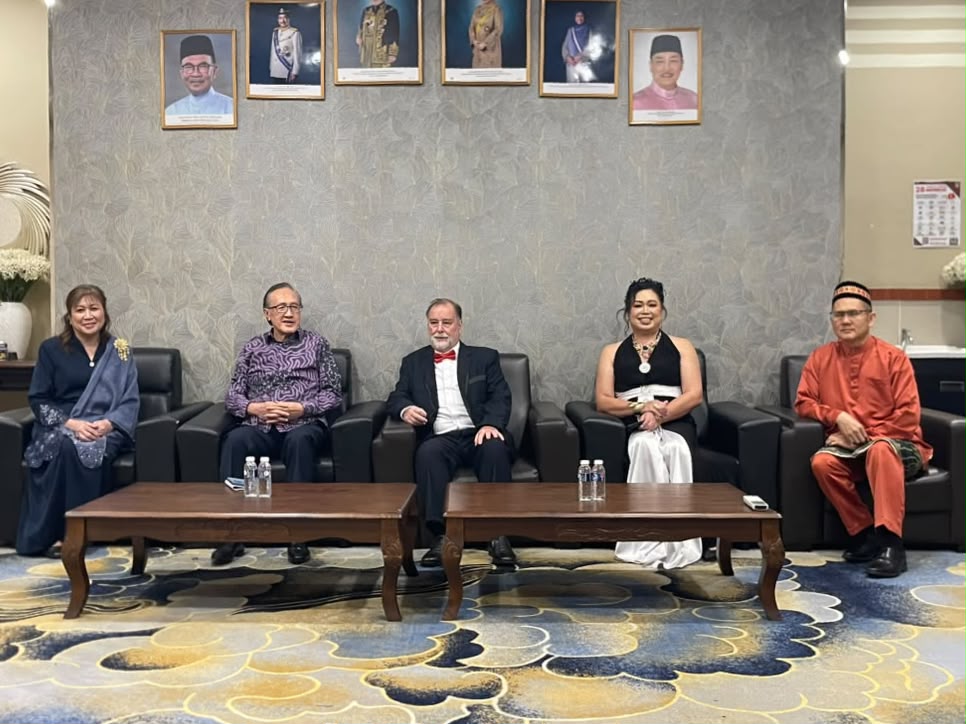
The event, attended by Guest of Honour Datuk Seri Panglima Masidi Manjun, also held a VIVA! charity auction featuring items donated by Sabah FC, the Sabah Football Association (SAFA) and local artist Yacob Gabriel Samson. Among them were a Carino match ball, the official Sabah FC 2026/27 season jersey signed by players and three original paintings themed on the life and heritage of the Kadazan-Dusun community in Penampang.
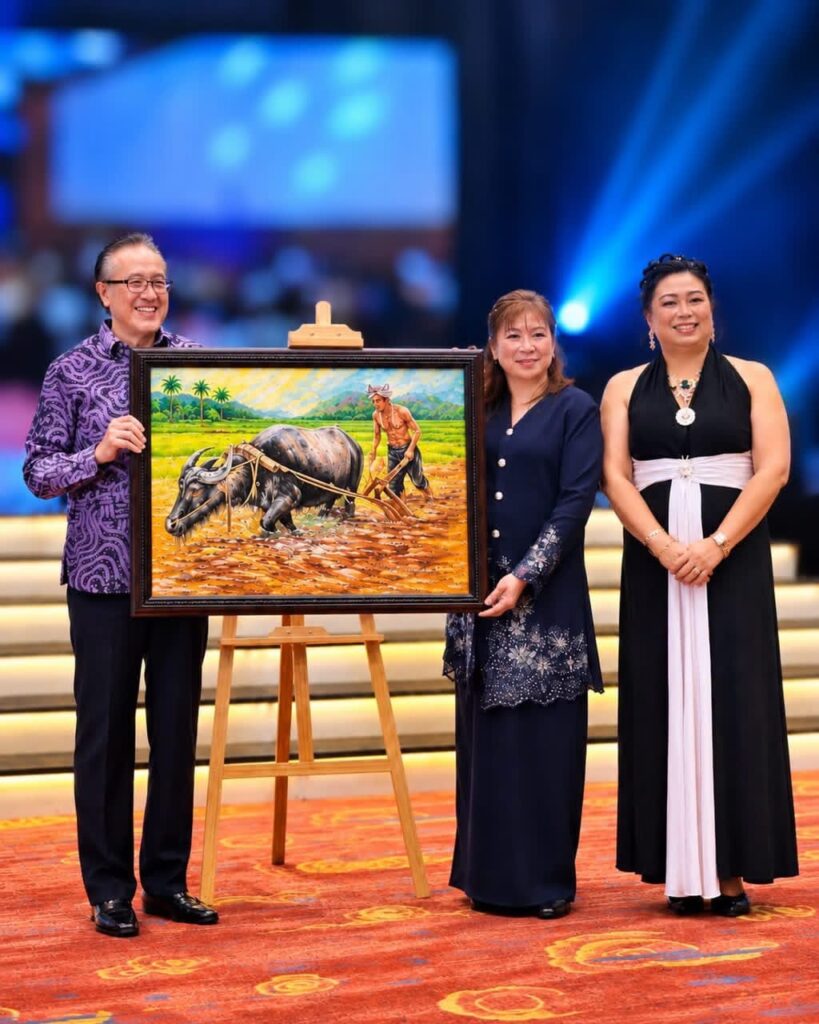
“This collaboration is about caring for those who have been caring for us all this while,” said Sabah FC Chief Executive Officer, Syazwan Imran.
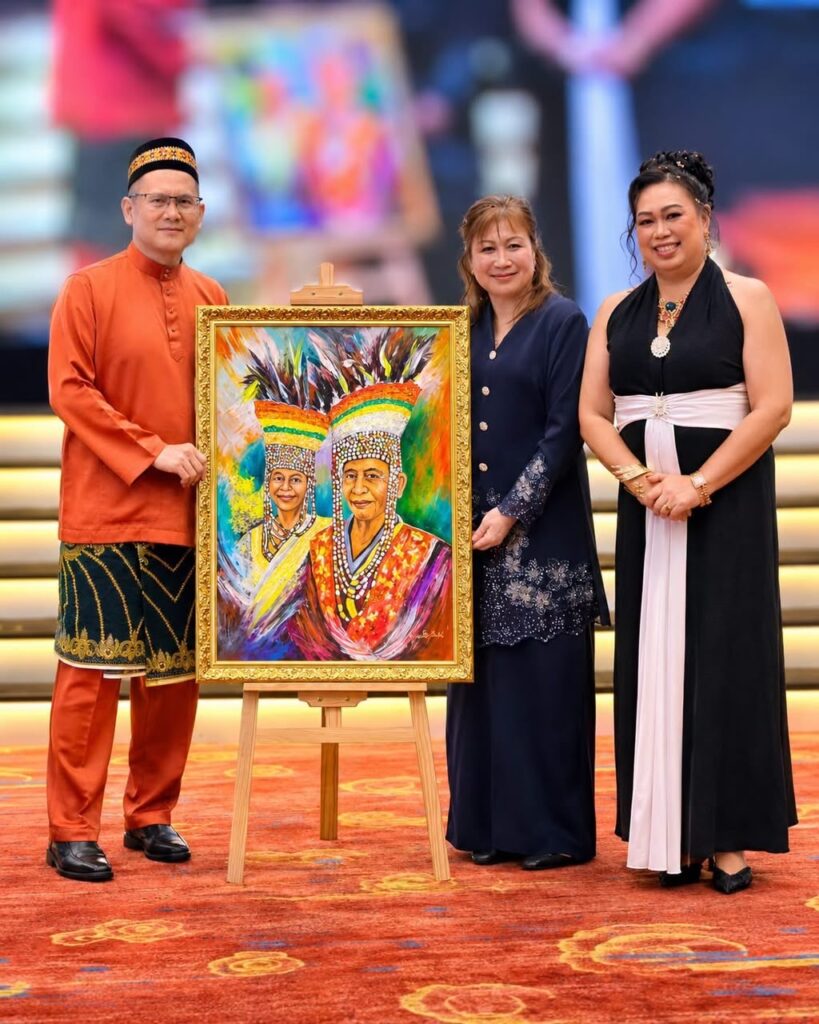
Funds raised will be used by PSPS to help young people, especially from rural communities, acquire recognised care skills and build career pathways in the sector.