
By: Nurul Fazliana Norman
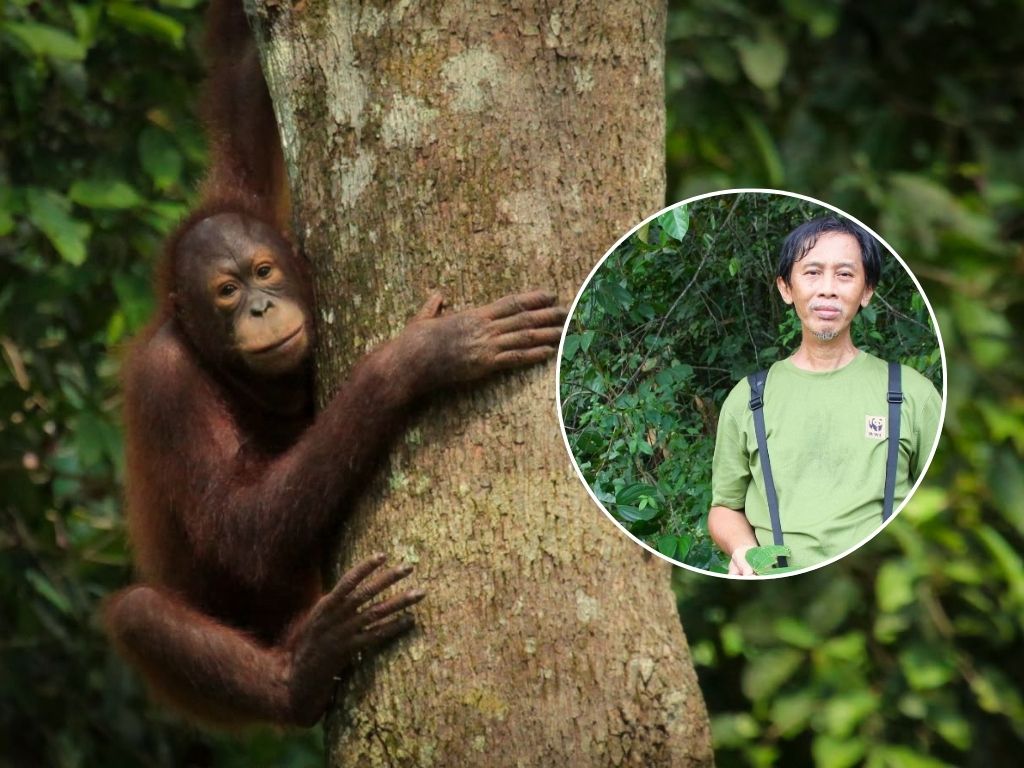
KOTA KINABALU: Nov 4, 2026 – Twenty-five years of working in Sabah’s forests opened William Joseph’s eyes to the importance of habitat conservation and orang utan protection, particularly through efforts to ensure forest areas remain connected to guarantee the survival of wildlife.
In a sharing by WWF-Malaysia, William, who passed away on 15 September 2026, left behind valuable experience and lessons from his involvement in efforts to restore and protect wildlife habitat in Sabah.
Throughout that period, he witnessed forest areas that had previously suffered degradation begin to recover, subsequently allowing wildlife to return to their original habitat.
According to WWF-Malaysia, orang utan conservation is not merely about protecting the species, but also involves efforts to preserve the forest ecosystem that serves as the animal’s food source, shelter and breeding ground.
Sabah is estimated to be home to about 11,000 orang utans, making it one of the important protection areas for the species in the world.
WWF-Malaysia orang utan conservation officer Donna Simon said public awareness needs to be enhanced to understand the close relationship between the survival of orang utans and the health of the forest ecosystem.
“Many know the orang utan as an iconic species, but few realise how closely the future of this animal is tied to the health of our forests.
“Orang utan conservation is not just about protecting one species, but also preserving forests that support biodiversity, store carbon and regulate water systems,” she said.
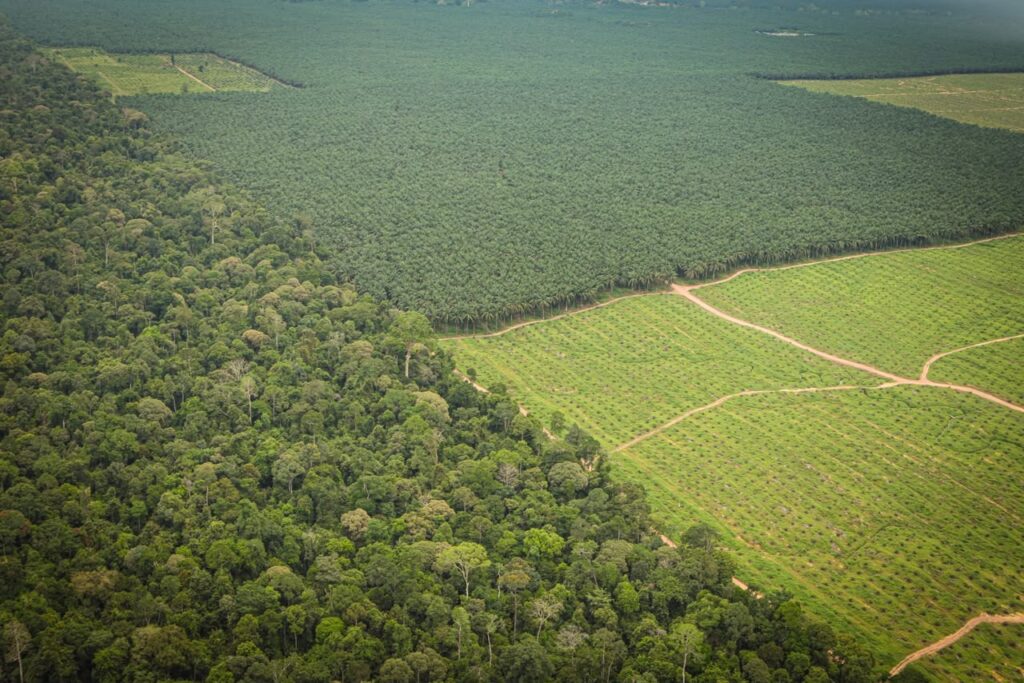
Among the main challenges in conserving the species is the fragmentation of forest habitat into smaller and isolated areas, making it difficult for wildlife to move about in search of food and mates.
In this regard, efforts to establish wildlife corridors are seen as important to reconnect separated forest areas and enable animals to move more safely.
Forest restoration efforts in the Bukit Piton area have also proven that habitat affected by logging and fires can be restored if given the opportunity to regenerate.
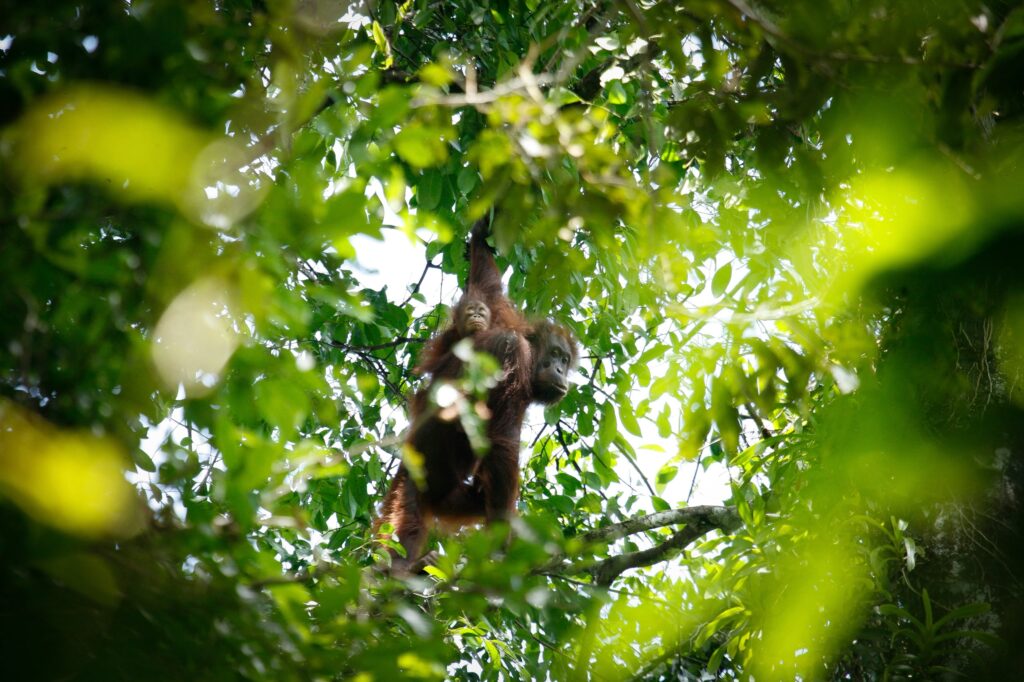
According to William in an interview conducted earlier this year, the condition of the forest in Bukit Piton showed positive change as food sources increased and wildlife began returning to the area.
“When I started working here, food sources were very limited and the forest condition was vastly different. Today, seeing wildlife return gives me hope that this forest can recover,” he added.
Large-scale forest restoration efforts in Bukit Piton began in 2007 before the area was reclassified from a Class II Commercial Forest Reserve to a Class I Protection Forest Reserve to strengthen habitat protection.
The orang utan is not the only species that has returned to the area. Several other wildlife species have also seen a resurgence, including proboscis monkeys, red leaf monkeys and gibbons.
WWF-Malaysia also emphasised the use of technology such as camera traps, drones and artificial intelligence (AI) to help researchers identify orang utan nests and monitor the species’ population more effectively.
Donna said conservation efforts require cooperation from various parties including the government, local communities, researchers, plantation operators and conservation organisations.
She said the protection of existing forest areas, restoration of affected habitat and provision of wildlife corridors must be carried out continuously to ensure the survival of the orang utan population and Sabah’s biodiversity.