By David E.
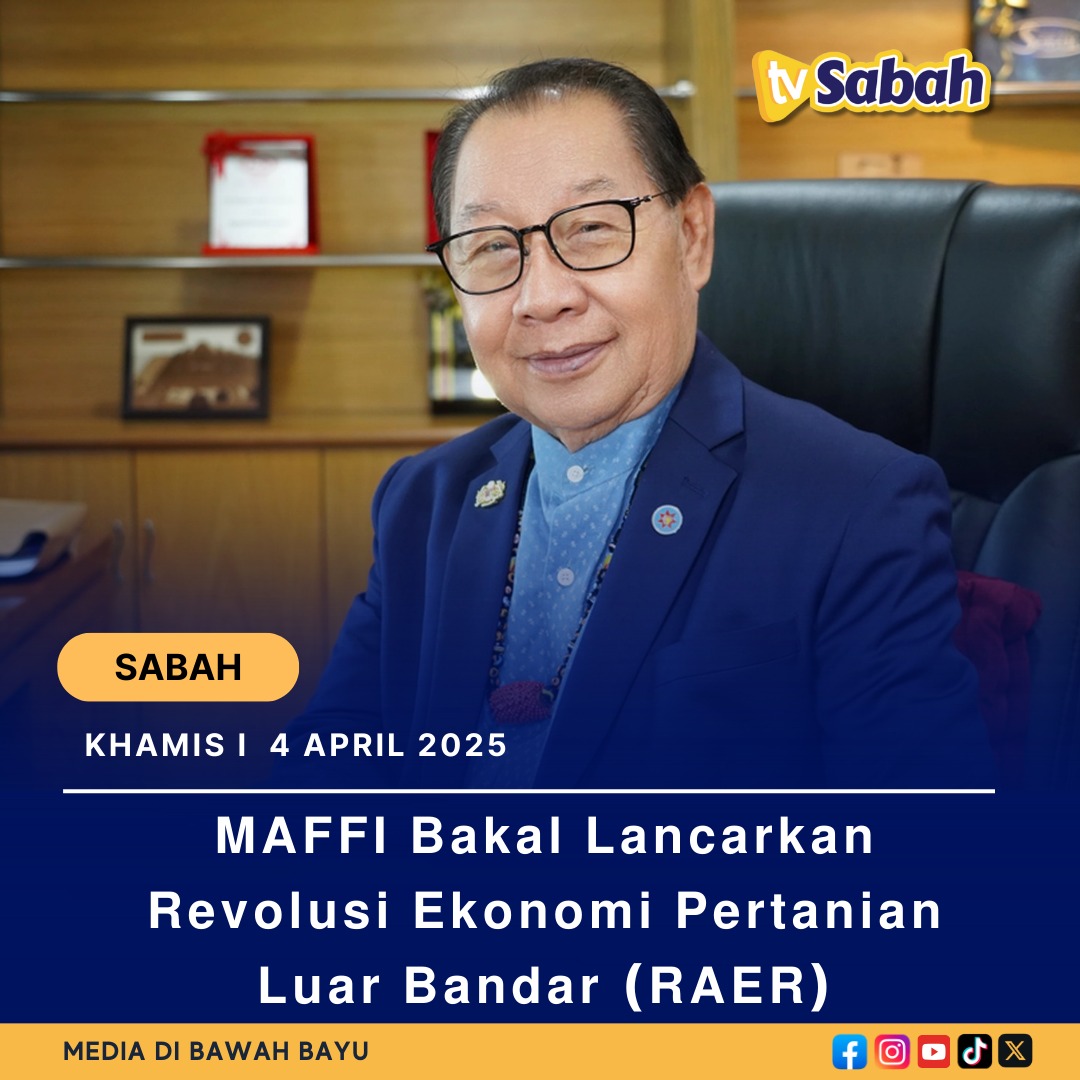
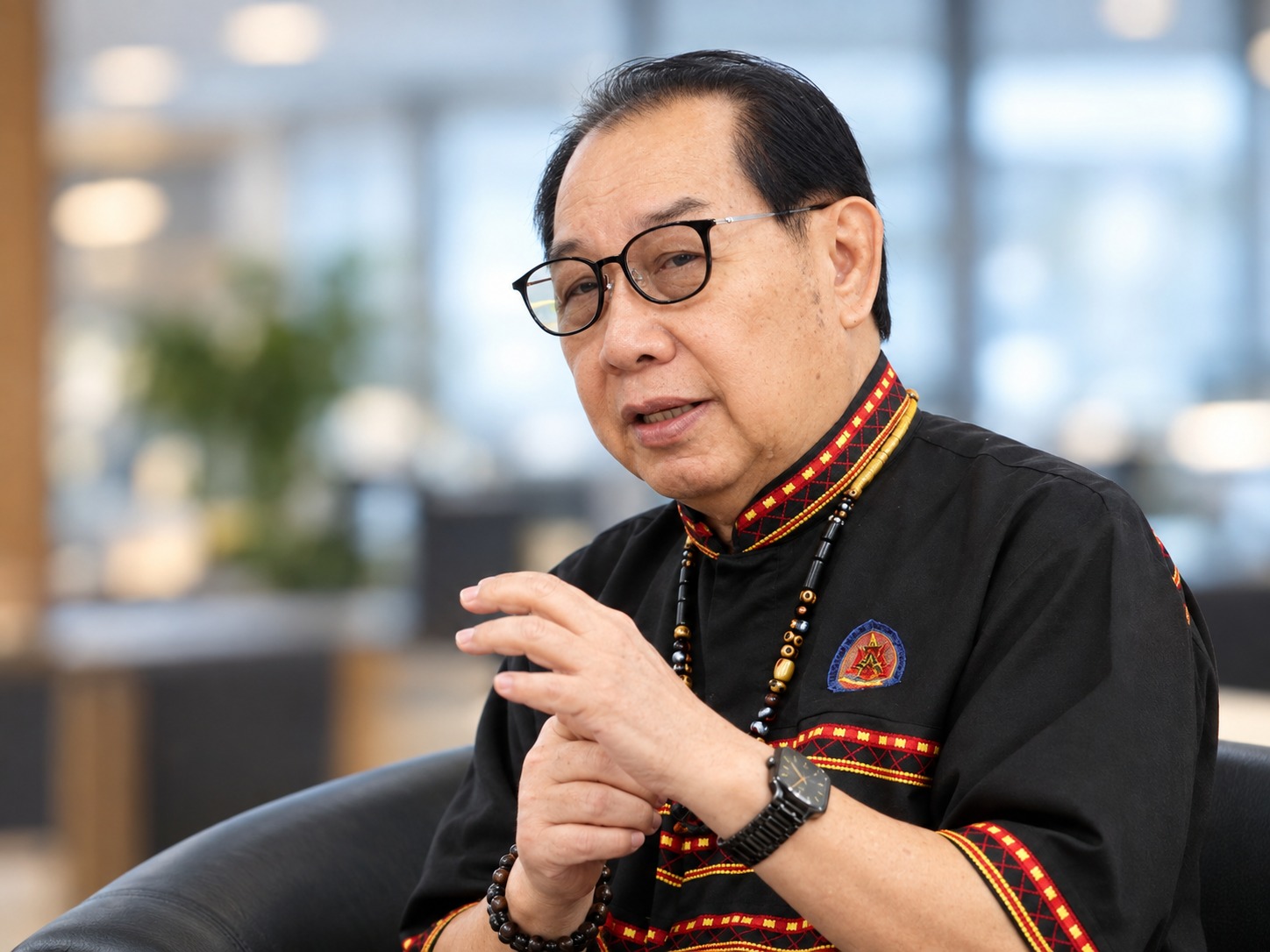
KOTA KINABALU: Oct 2, 2026 – The failure of newly posted medical officers to report for duty in Sabah and Sarawak is not merely a healthcare crisis but a stark indictment of longstanding developmental neglect in the two Borneo states, Parti Solidariti Tanah Airku (STAR) president Datuk Seri Panglima Dr Jeffrey G. Kitingan said today.
In a press statement issued here, Kitingan argued that the alarming non-reporting rates at hospitals in Keningau, Beluran, Sipitang, and Kanowit exposed the broader consequences of inadequate infrastructure, insufficient funding, and a lack of national attention to the region.
Citing early reports, he noted that some facilities recorded non-reporting rates of between 70 and 76 per cent, though the Ministry of Health has clarified that the reporting process remains ongoing until October 7.
“The fundamental question is why postings in parts of Sabah and Sarawak remain unattractive despite the opportunity of permanent employment,” Kitingan said.
“In my view, a major underlying factor is the failure to give the development of Sabah and Sarawak the sustained focus, resources and priority they require within the national development agenda.”
He stressed that poor roads, unreliable water supplies, electricity disruptions, limited internet connectivity, and inadequate accommodation do more than hinder healthcare delivery.
“They shape the everyday lives of residents and the decisions of people asked to work in these areas,” he said, adding that these conditions discourage not only doctors but also teachers and other public servants from accepting or remaining in rural and interior postings.
Kitingan pointed out that Sabah is already the “sickest” state in Malaysia, and the situation will worsen with the shortage of medical staff, compounded by long queues, waiting times, and medicine shortages.
“Financial incentives matter, but allowances alone cannot compensate for persistent deficiencies in basic infrastructure and living conditions,” he said.
He called on both the Federal and State Governments to acknowledge their respective responsibilities and take urgent, coordinated action to address these systemic gaps.
“The Health Ministry can appoint doctors and medical staff and manage their placements, but it cannot, on its own, resolve inadequate roads, unreliable water supplies or the broader development deficits surrounding hospitals and clinics,” he said.
Kitingan also defended doctors, stating they should not simply be blamed for declining postings.
“The Government must examine the circumstances influencing their decisions, including living conditions, family separation, relocation costs, heavy workloads and uncertainty over the duration of service,” he said.
“If these conditions make professionals reluctant to accept a posting lasting several years, imagine the hardship endured by local communities that have lived with them for decades.”
He emphasised that the people of Sabah and Sarawak cannot decline their own living conditions and depend on governments to fulfil their responsibility to improve them.
Drawing on Sabah’s participation in the formation of Malaysia 63 years ago, Kitingan said the aspiration of shared progress and living standards on par with Malaya remains unfulfilled.
“Persistent gaps in basic infrastructure and essential services remain unacceptable,” he said, urging the Federal Government to undertake a comprehensive review of national development priorities and resource distribution.
He reiterated the call for Sabah to receive its full constitutional 40 per cent revenue entitlement under Article 112C, read together with Section 2(1) of Part IV of the Tenth Schedule to the Federal Constitution.
“Honouring this entitlement would strengthen Sabah’s capacity to address its development needs, including basic infrastructure and essential services,” he said, adding that a better-developed Sabah would reduce the number of no-shows in federal postings.
On the issue of allowances, Kitingan highlighted the reported RM60 monthly net difference between a RM360 regional allowance and a RM300 cost-of-living allowance in certain circumstances, illustrating the need to examine the real financial benefit received.
He also called for meaningful financial and practical support for public servants in challenging locations, including relocation assistance that covers actual costs, suitable accommodation, support for dependants, and reasonable travel home.
“Air travel to and fro Sabah and Malaya is no longer affordable and not everyone can fly, especially with costs to be borne for dependents travelling with the posted staff,” he said.
While welcoming the inclusion of health in a State Cabinet portfolio, Kitingan said the Sabah Government must take a stronger coordinating role, supported by concrete action across portfolios responsible for roads, water, electricity, housing, and rural development.
“The immediate task is to verify the posting figures and protect services at facilities under strain. The broader responsibility is to tackle the underdevelopment that makes these postings difficult in the first place,” he said.
“Sabah and Sarawak must be given their rightful place at the centre of national development planning. Their people deserve reliable infrastructure, adequate essential services and the opportunity to progress on an equitable footing with Peninsular Malaysia.”