By: Nurul Fazliana Norman
KOTA KINABALU: September 2, 2026 – The higher education landscape is shifting from conventional approaches to more flexible learning pathways to meet the changing needs of students, technological advancements, and industry demands, said the Malaysian Qualifications Agency (MQA) during the CEO Engagement Session at Universiti Malaysia Sabah (UMS) here this morning.
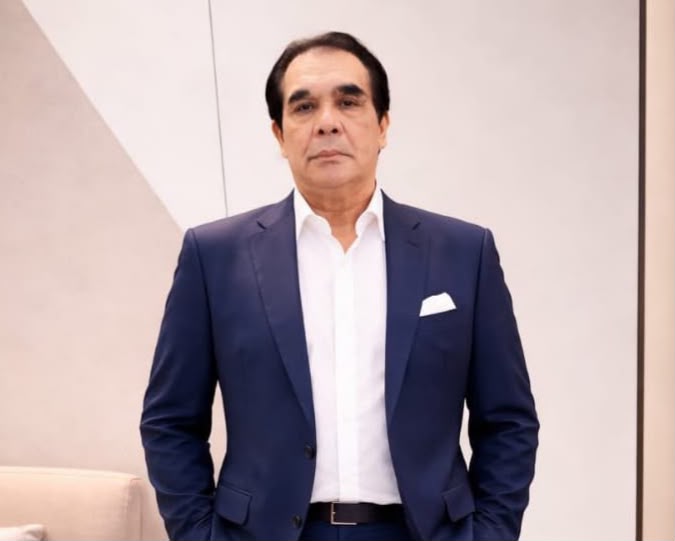
MQA Chief Executive Officer, Professor Datuk Dr. Mohammad Shatar Sabran, said the transformation is crucial to provide educational routes that are more relevant to skills development, employability, and career progression.
“Today’s younger generation are increasingly seeking alternatives to traditional higher education pathways that can connect learning more directly with skills development, employability, and career advancement,” he said.
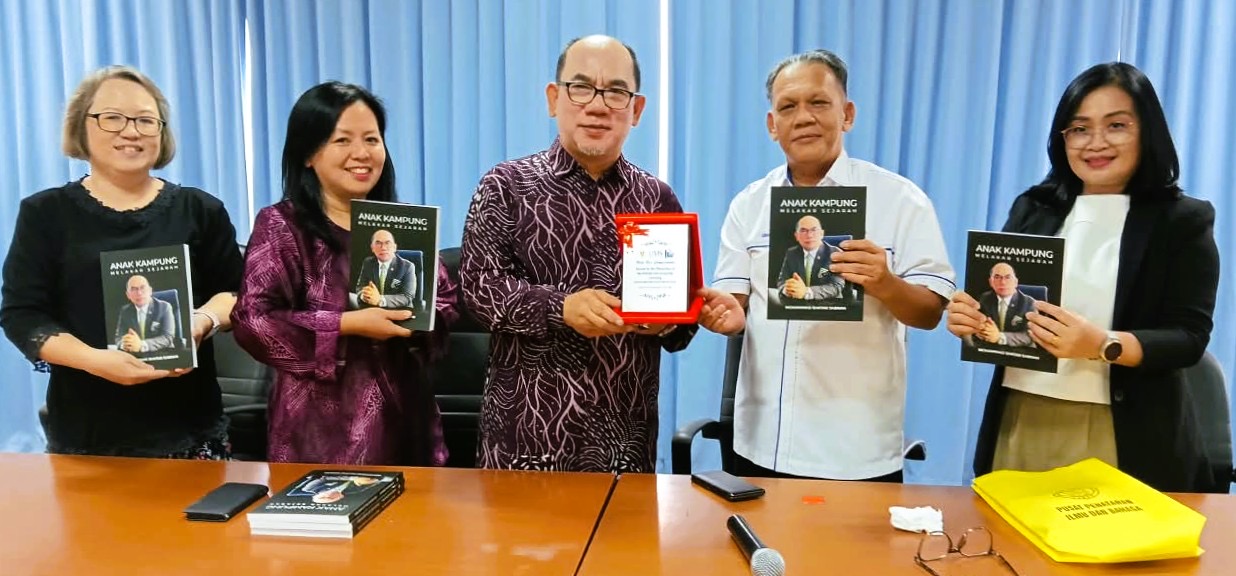
He was speaking at the MQA CEO Engagement Session held at UMS’s Centre for the Promotion of Knowledge and Language (PPIB) here on Tuesday.
Among the initiatives highlighted were the Accreditation of Prior Experiential Learning (APEL), Work-Based Learning (WBL), micro-credentials, on-demand programmes, and the Academic Bank of Credit (ABC).
According to Shatar, APEL continues to grow as a mechanism to recognise prior learning and experience, with 38 APEL.A assessment centres, 68 APEL.C centres, and 15 APEL.Q centres recorded as of 1 December 2025.
Micro-credentials offerings have also shown significant growth, with 27,888 courses and 1,810 programmes recorded to date.
He said micro-credentials allow learners to acquire recognised knowledge, skills, and competencies in specific fields without having to complete a full conventional course of study.
Shatar also noted that credit accumulation and transfer enable recognised learning to be contributed towards formal qualifications, with up to 30 per cent of credits allowed to be awarded by higher education providers.
He emphasised that such flexible education approaches must continue to be strengthened to make higher education more accessible, responsive, and supportive of lifelong learning.
Also present were PPIB UMS Dean, Prof. Datuk Dr. Ismail Ali; UMS Quality Assurance Centre Director, Associate Professor Agnis Sambuling; as well as academic staff and centre personnel.