
By: Roodwill
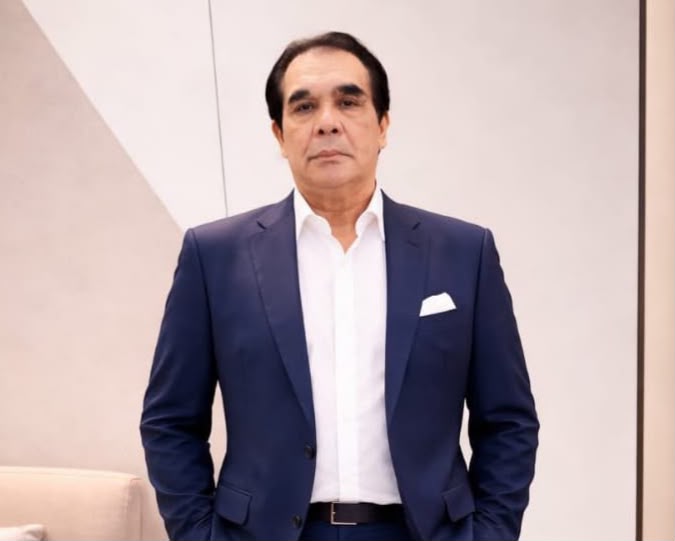
Kota Kinabalu: According to Moonstar Motion Picture & Entertainment director and producer Eddy Thomas, the answer is simple – local filmmakers are still afraid to change.
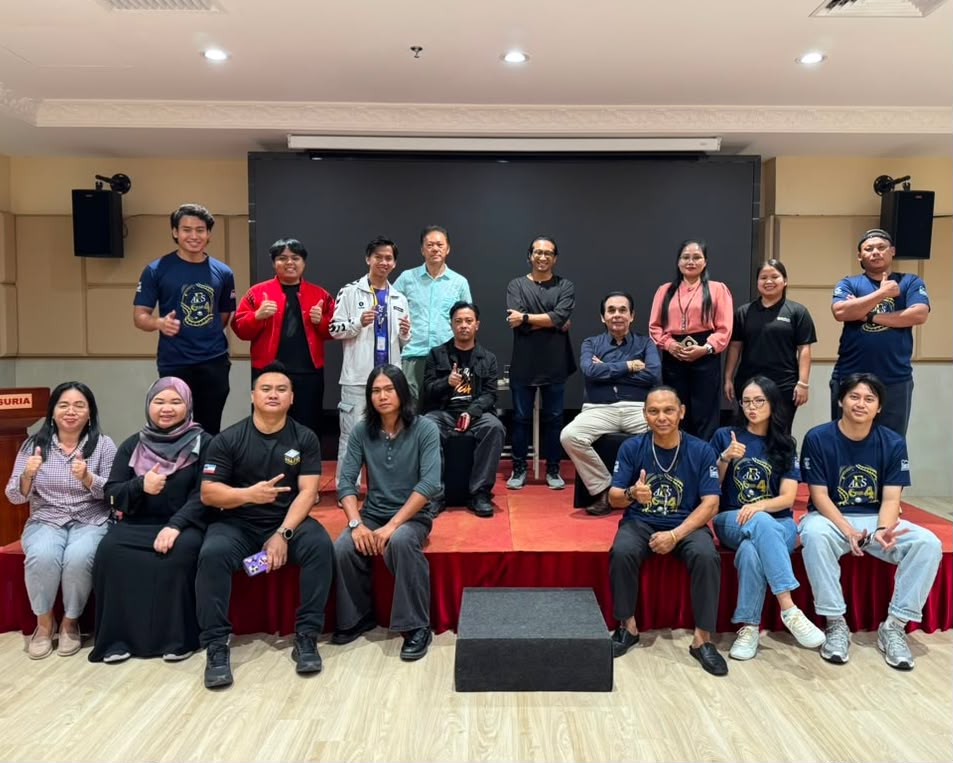
“If we truly want to progress, we must be brave enough to change,” he told to Reporter following the ‘From Script to Cinema’ workshop organised by the Sabah Film and Visual Association (SAFVA).
Knowledge alone is not enough
For Eddy, workshops like these provide valuable exposure. However, for those serious about entering the industry, sharing experiences alone is insufficient.
“I gained some knowledge through the speakers. But what I really need is ongoing guidance – especially since I aspire to become a film director.”
He said new entrants require practical exposure, not just theory. They need to understand the entire process from start to finish – from scriptwriting right through to bringing a work successfully to the cinema.
“I want to learn step by step. Someone else’s experience is certainly inspiring, but hands-on guidance is more important for nurturing creative talent who truly understand the industry.”
It all begins with a story, not a script
Many assume the script is the starting point. But Eddy thinks otherwise: before a script is written, there needs to be a solid story.
“The synopsis is the foundation – the ‘recipe’ for a story. Without a synopsis, there is no clear storyline.”
He likened it to making coffee:
“If coffee has no sugar, it tastes bland. Similarly with films – without a strong synopsis, the story has no foundation.”
When the script changes hands
Once a script is completed, it enters a new phase involving the writer, director and producer.
Eddy explained that writers are entitled to value their work. However, when script rights are sold, changes are sometimes unavoidable – to ensure the film can meet market demands.
“Producers invest large sums of money. If they follow the original script one hundred per cent, the film might not be able to go further.”
However, he stressed that changes must be made with the writer’s agreement, out of respect for copyright and the original idea.
“Producers can say: ‘This is your original work. I appreciate it. But I need to make some changes to make this film more marketable.'”
He said this practice is common in the international film industry.
Writers are important, but not the sole decision-makers
When workshop speakers stated that in Korea writers are considered “kings”, Eddy agreed – but not entirely.
“A good script does not necessarily guarantee a film’s success at the box office.”
He asked: if a good script fails to attract audiences, who should be held responsible?
“That responsibility does not lie solely with the director, but also with the writer, because the entire story originates from the script they produced.”
A film’s success depends on a combination of all elements – storyline, performances, direction and audience reception.
Every country has its own formula
Eddy observed that every film industry has different approaches according to their respective markets.
In the United States, producers do not just evaluate scripts, but also actors’ commercial value.
“There, actors with big names can draw audiences to cinemas. Producers are willing to invest because they have confidence in those names.”
Regarding the success of Korean cinema, Eddy acknowledged it has successfully maintained its local identity. However, he said: “Not all Korean films can penetrate the global market like Hollywood.”
For him, there is no single right formula – what matters is understanding audience preferences and producing work that meets their expectations.
Where does Sabah cinema stand?
From his experience as an actor and industry practitioner, Eddy sees a gap that still needs to be bridged.
“To be honest, sometimes the Sabah film industry seems to be treated like a ‘stepchild’. Its image and standing are still far behind compared to the mainstream film industry.”
According to him, this is not due to language or culture, but the strength of the storyline.
“If producers spend millions of ringgit but the storyline is not compelling, they will ultimately suffer losses.”
Therefore, Sabah filmmakers need to learn from the approaches used in Kuala Lumpur – particularly in producing work that has commercial value without sacrificing identity.
Language is not a barrier
Eddy stressed that a film’s success is not determined by language, but by the strength of its story.
“Look at Korea – they use Korean. Indonesia uses Indonesian. India uses their own languages. Yet their films are still accepted because they have strong storylines.”
Films need to make audiences feel emotion
Beyond storyline, films also need to take audiences on an emotional journey.
Eddy cited Bollywood films as an example:
“In a single film, they have elements of humour, romance, conflict, action and a clear message. That is actually the ‘recipe’ for a film.”
He explained that love does not necessarily have to be between couples:
“Love can be affection within a family, love for parents, love for country or love for community.”
He said such elements can touch audiences emotionally, allowing them to connect the storyline with their own life experiences.
“When audiences return from the cinema, they still remember the story. Some cry because they associate it with their own life experiences.”
“Film is a reflection of human life – full of joy and sorrow, success and failure.”
The biggest challenge is not just funding
Although he views the future of Sabah’s film industry with confidence, Eddy acknowledges many challenges must be overcome.
“The biggest challenge is funding.”
He said many young Sabahans have great ideas and talent, but lack the financial means to produce quality films.
“Besides that, they also lack training and exposure to the wider industry.”
However, he believes these challenges can be overcome if local practitioners are willing to step outside their comfort zones.
“If we truly want to progress, we need to penetrate the Peninsular Malaysia market. We need to break down the walls separating Sabah’s film industry from the national film industry.”
Not just ‘Sabah films’
Eddy’s dream is not merely to see more films produced in Sabah, but for work from Sabah to be accepted by all Malaysians.
“I don’t want to produce films that are only known as ‘Sabah films’. I want to produce Malaysian films that also feature talent from Sabah.”
He wants to combine actors from Sabah, Sarawak and Peninsular Malaysia.
“We are all Malaysians. People in the Peninsula have the right to create, and so do we in Sabah.”
He said the arts world should not be limited by state borders.
The industry grows when opportunities are given
Beyond funding, Eddy believes industry development depends on a willingness to open doors for new talent.
“I myself have been through the experience in this industry. I see many young people today who actually have potential. They just need opportunities and guidance.”
He hopes more industry practitioners will share their experiences with the new generation.
“Whatever knowledge or experience we have, we need to share it. Only then can this industry grow.”
He also stressed that the industry cannot continue relying on the same pool of actors.
“We need to give new actors opportunities. The industry will grow when more talent is given space to showcase their abilities.”
Bringing history to the silver screen
Eddy hopes more local works will highlight the history and figures who shaped Sabah.
“The younger generation today are increasingly unfamiliar with important figures in the state’s history.”
“Many may have heard the names of these heroes in school, but they don’t truly understand their struggles. Film can be a medium to introduce history and the struggles of local figures.”
“In other countries, they produce many films highlighting historical figures and national struggles. Such films are not just entertainment, but also an educational medium for the younger generation.”
True stories have great value
Beyond history, Eddy also sees true stories and real-life community experiences as a rich source of material.
“Audiences can more easily appreciate works when they can see real life portrayed on screen.”
He cited the film Surga Dalam Botol as an example, which successfully depicted community realities.
“It doesn’t just tell a story to entertain, but also shows how a community actually lives.”
However, he cautioned that every issue needs to be raised responsibly to avoid misunderstanding among communities.
More than just entertainment
For Eddy, developing Sabah’s film industry is not just about producing more works, but ensuring every film has value.
“Film is not just entertainment. Film can also be an educational medium, shaping society’s thinking and introducing Sabah’s history, culture and identity to wider audiences.”
With confidence that Sabah possesses its own talent, stories and identity, he believes the local film industry can go further – if all parties are brave enough to change, collaborate and produce works that not only make Sabah proud, but also find a place in the hearts of audiences nationwide.