KOTA KINABALU: June 30,2026 – The Sabah government is enhancing biodiversity governance through the development of the Sabah Biodiversity Access and Export System (SaBAES) and the Sabah Traditional Knowledge Information System (SaTKIS) – aimed at improving biological resource management, protecting traditional knowledge and ensuring the state’s natural heritage is preserved sustainably.
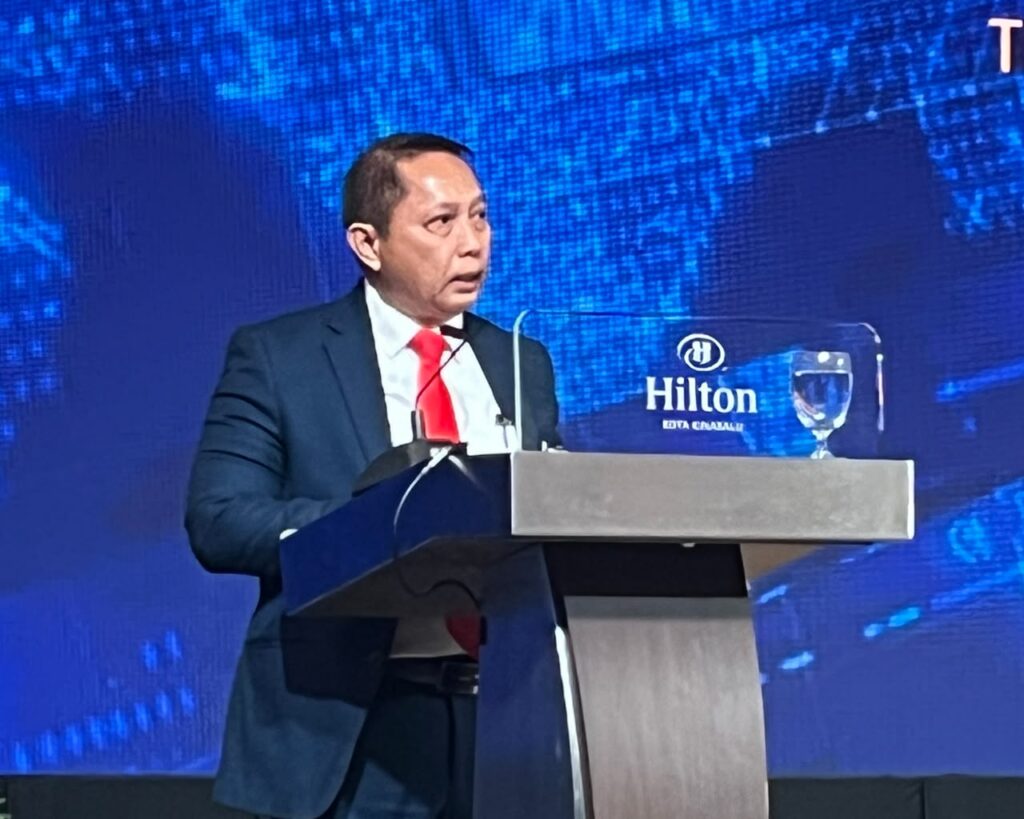
Sabah State Secretary (Administration) Datuk Dr Ahemad Sade said both digital systems represent a strategic step towards more efficient, transparent and data-driven governance.
SaBAES has been developed as an online platform to manage applications for Access Licences and Export Licences for biological resources, while also monitoring research activities and ensuring compliance with the Sabah Biodiversity Enactment 2000.
SaTKIS, meanwhile, functions as an information system and database for traditional knowledge related to Sabah’s biological resources – documenting, protecting and preserving the intellectual heritage of local communities against misuse and exploitation, while ensuring that benefits from its use are shared fairly and equitably.
The Sabah government has also implemented the Sabah Biodiversity Strategy 2024–2034, a strategic roadmap to protect, conserve and sustainably utilise biological resources through science-based, evidence-driven and multi-stakeholder collaborative approaches.
The strategy aligns with the Sabah Maju Jaya 2.0 development agenda and supports global biodiversity commitments including the Kunming-Montreal Global Biodiversity Framework, the Convention on Biological Diversity (CBD) and the Sustainable Development Goals (SDGs).
Sabah’s conservation efforts have also received international recognition through various world-class protected areas, including the UNESCO World Heritage Site of Kinabalu Park, the Crocker Range Biosphere Reserve, the Kinabalu UNESCO Global Geopark, and the Ramsar sites of the Lower Kinabatangan-Segama Wetlands and Kota Kinabalu Wetlands.
Such recognition attests to the effectiveness of collaboration between the Sabah government, the federal government, non-governmental organisations, research institutions, local communities and industry sectors in preserving Sabah’s biodiversity treasures.
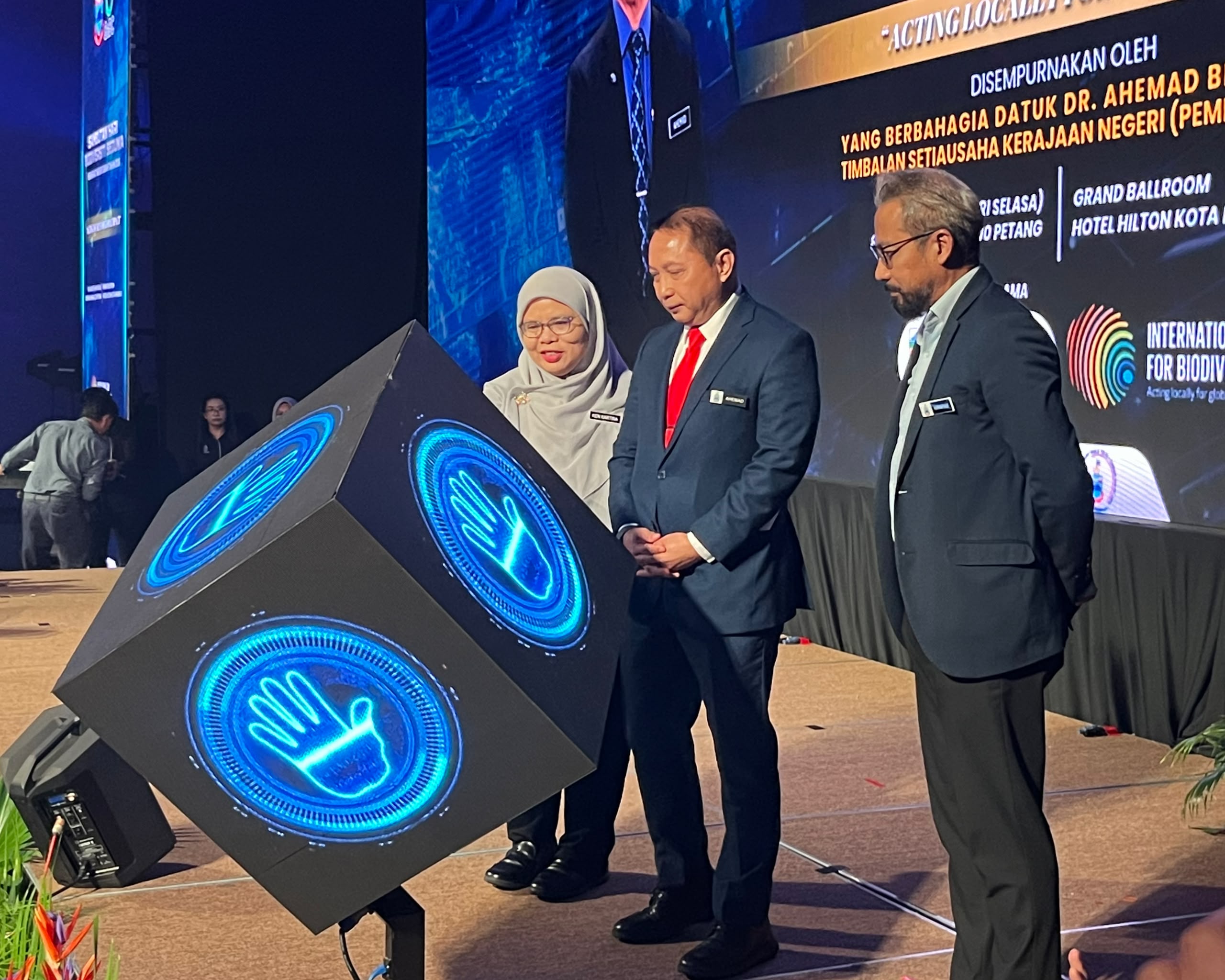
Dr Ahemad said the theme “Acting Locally for Global Impact” serves as a reminder that local action can have a significant impact on biodiversity conservation at the global level – ensuring Sabah’s natural heritage is preserved for future generations.
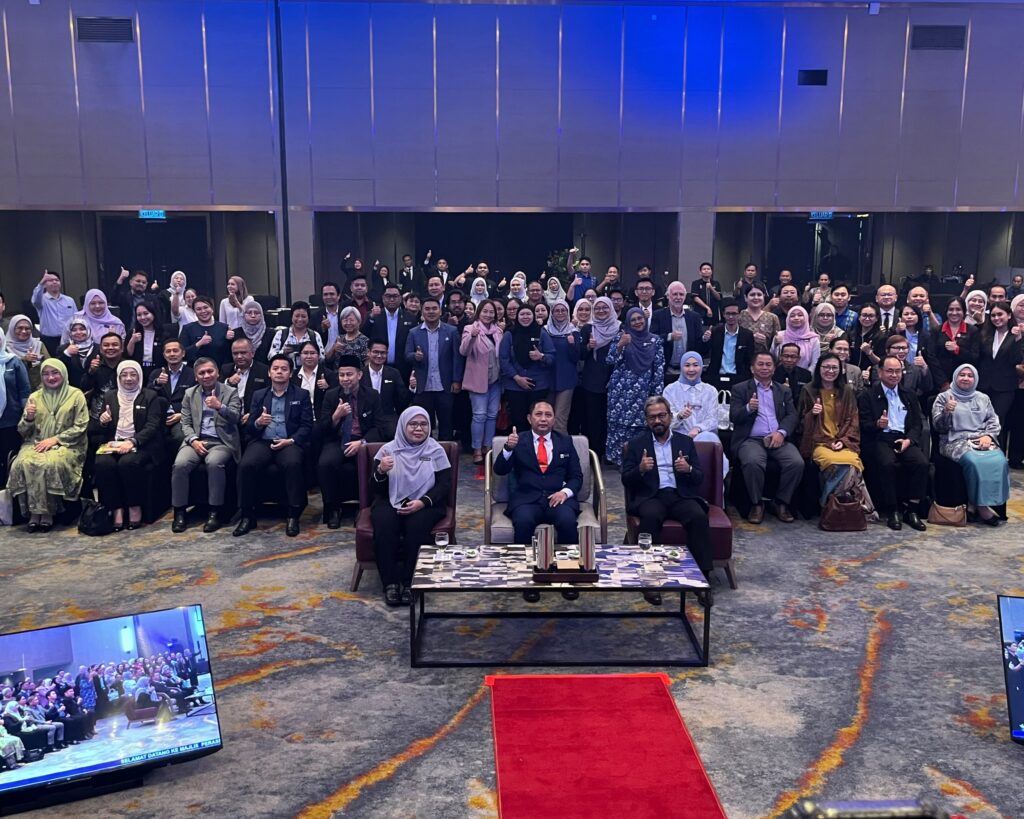
He was speaking at the launch of the Sabah-level World Biodiversity Day 2026 celebrations at the Grand Ballroom of the Hilton Hotel in Kota Kinabalu on Tuesday.
At the same event, the Sabah Biodiversity Centre (SaBC) also hosted the 2026 Sabah Best Biodiversity Research Awards to recognise researchers who have contributed to biodiversity conservation and research development in Sabah.