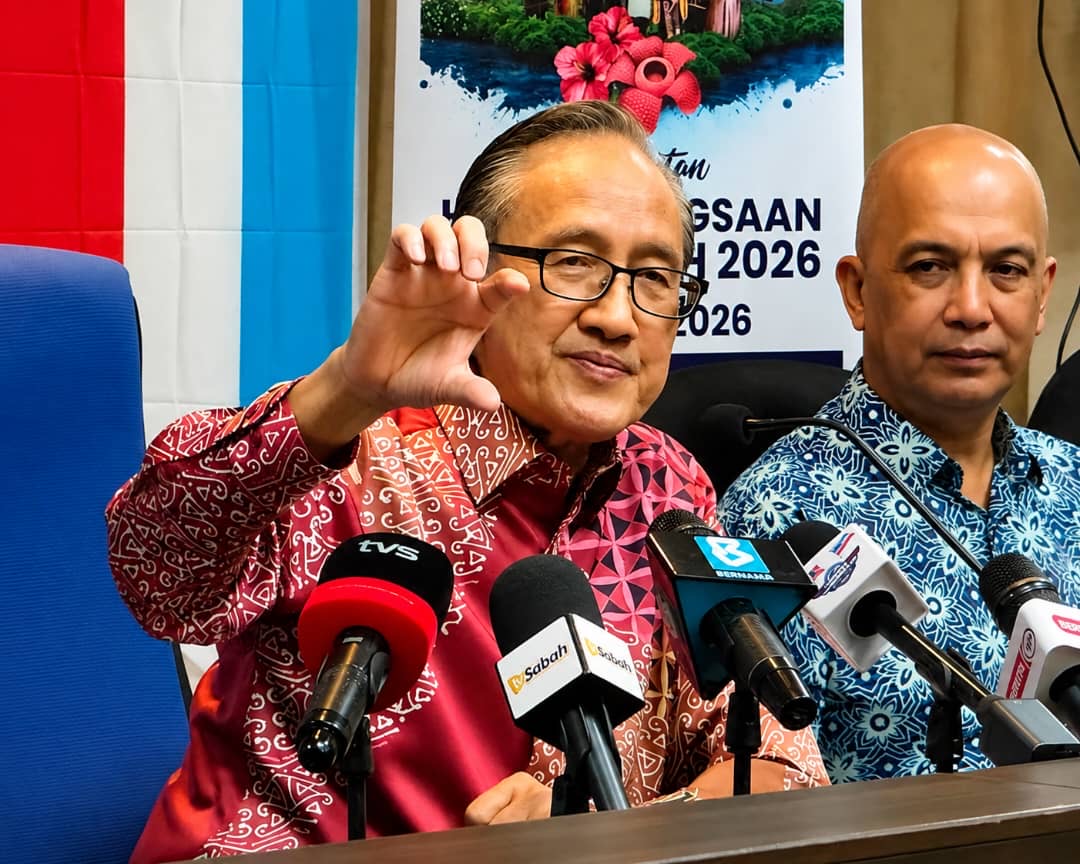

KOTA KINABALU: Sabah should be granted broader authority over immigration matters to better protect the state’s autonomy, security and demographic interests, says Bantuan Orang Susah Sabah (BOSS) president Datuk Kenny Chua.
Commenting on concerns surrounding the implementation of the Border Control and Protection Agency Act 2024 (Act 860), Kenny said Sabah’s unique constitutional position under the Malaysia Agreement 1963 (MA63) must be respected and strengthened rather than diluted.
“What Sabah needs is stronger operational control over immigration and border management because our challenges are very different from those in Peninsular Malaysia,” he said in a statement.
Kenny said Sabah already possesses special immigration rights under existing laws, including the power to regulate entry into the state, but argued that recent developments have raised concerns over possible federal overreach.
He suggested a framework where Sabah would exercise greater authority over immigration enforcement, foreign worker management and entry approvals within the state, while Putrajaya continues to handle national defence, foreign affairs and overall sovereignty matters.
“This is about administrative effectiveness and protecting Sabah’s constitutional safeguards,” he said.
According to Kenny, Sabah’s long-standing issues involving illegal immigration, undocumented migrants and cross-border security require policies tailored specifically to the state’s geographical and social realities.
“Decisions affecting Sabah should involve Sabah more directly. Local authorities and officers understand the situation on the ground better,” he added.
His remarks come amid growing debate over Act 860, following concerns raised by the Sabah Immigration Officers Services Union (KPPIS), which warned that the law could potentially overlap with Sabah’s existing immigration powers protected under MA63 and the Federal Constitution.
The Sabah state government has also reportedly expressed reservations over the implementation of the new federal border agency framework in the state.
Kenny said a practical compromise could involve clearer legal safeguards ensuring that federal border coordination mechanisms do not override Sabah’s constitutional autonomy.
“We can strengthen national security without weakening Sabah’s rights. Both objectives can coexist if there is sincere consultation and mutual respect,” he said.