The story of Juanis Mering developing Sabah’s youth
By: Nurul Fazliana Norman
How can one opportunity at school change a young person’s life? How many talents remain hidden without room to try?
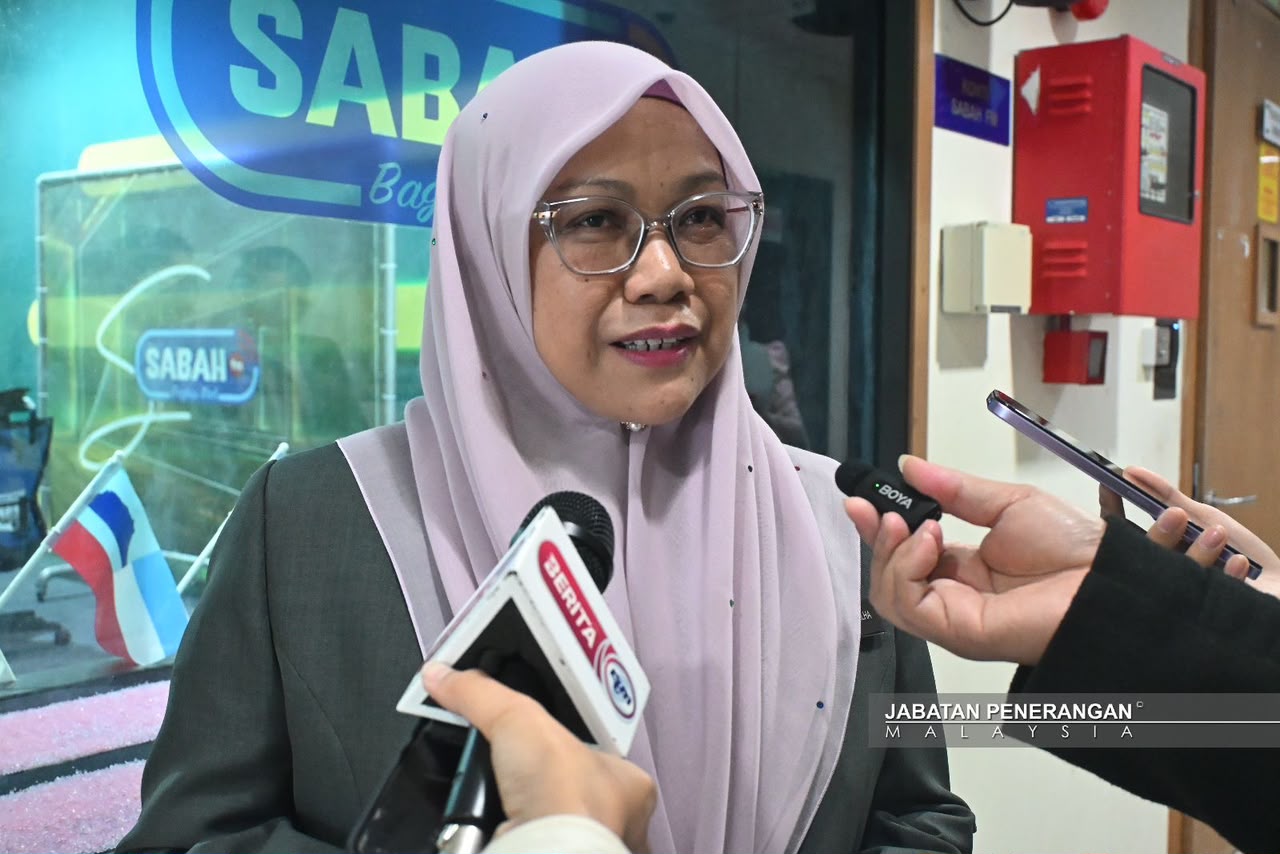
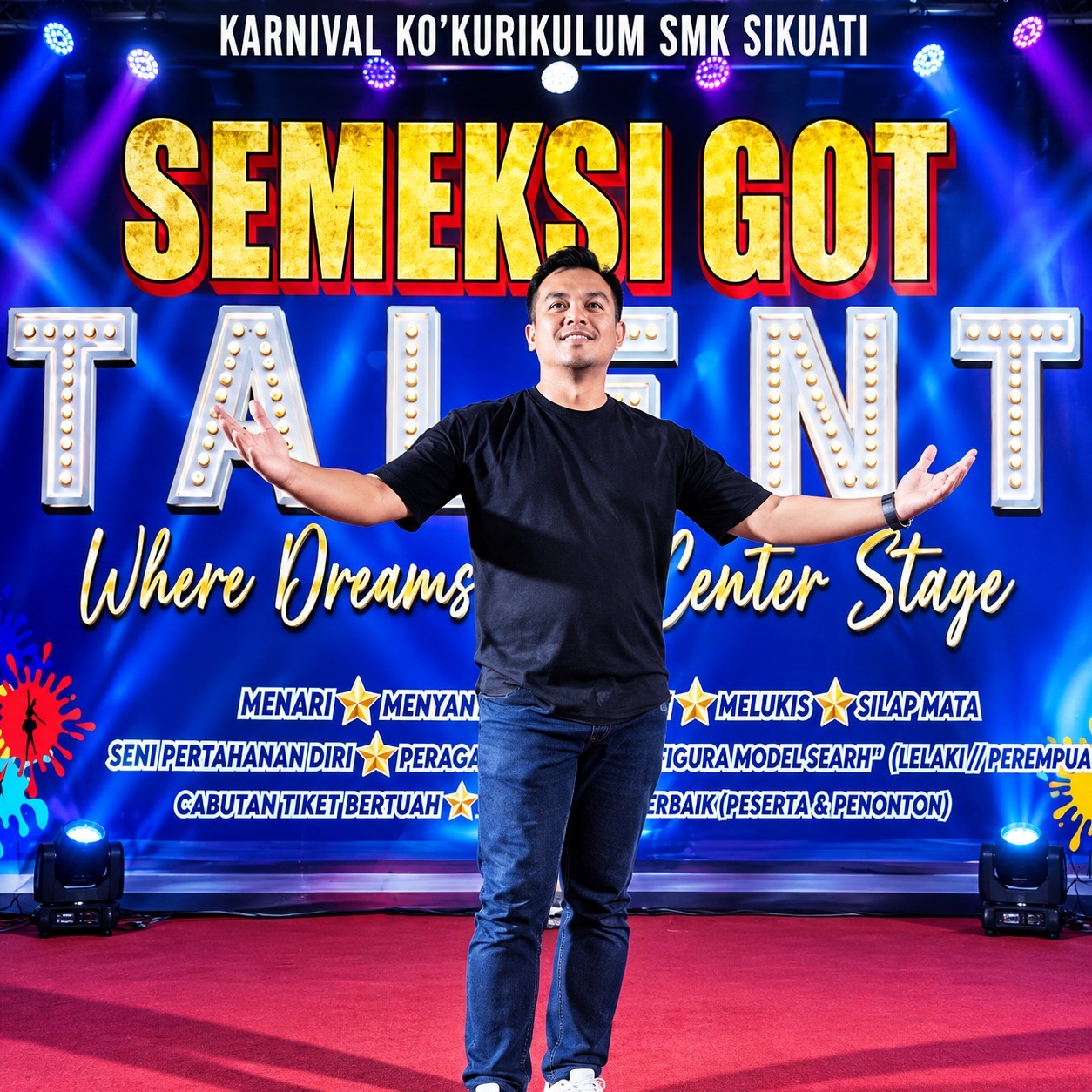
Juanis Mering, an educator at SMK Sikuati, Kudat, saw for himself students with extraordinary potential but lacking a platform. From that observation, he organised SEMEKSI Got Talent and Kudat Got Talent.
“I saw for myself that there were children with extraordinary talent and potential, but they did not have opportunities, including enough platforms to showcase their abilities. The question that played on my mind then was, how are we to know how far they can go if they are never given room to try?” he said.
Life experience shapes mission
Juanis grew up as an only child in a broken family. Those challenges taught him resilience, self-reliance and to appreciate opportunities. Before becoming a teacher, he worked in community welfare, management, hospitality, retail and corporate sales. He served as a Community Welfare Assistant (2007–2013) and worked with Ormond Group and Sime Darby Motors. Those experiences gave him a broad picture of the economic and social constraints faced by society.
After being posted to SMK Sikuati, he saw the gap between students’ potential and available opportunities. He believes not everyone starts with the same advantages. Some only need space and support to go further.
“I thought, if at one time I needed an opportunity to change my own life, why today can I not be the person who opens that opportunity for others?” he added.
From school stage to wider opportunities
SEMEKSI Got Talent (2023) and Kudat Got Talent (2025) gave students room to shine and learn event management, communication, teamwork and leadership. Four Kudat representatives took part in Borneo Got Talent 2026: champion in Unique Talent, champion in Dance Talent, third place in Contemporary Sabah Ethnic Fashion Show (recycled materials) and fourth place in Singing Talent.
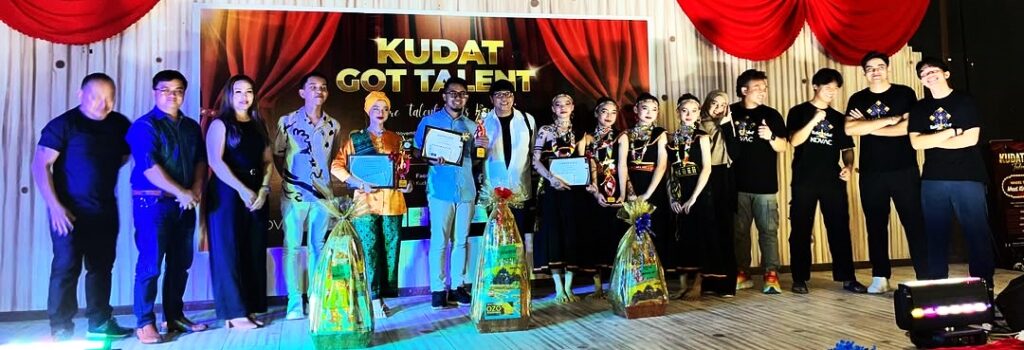
The impact was not limited to the winners. Crew members and programme managers also built skills.
Dev Kenddy Jevid started as a participant in SEMEKSI Got Talent 2023, then became secretary and crew for Kudat Got Talent 2025. The experience increased his confidence in dance until he performed internationally. He also learned discipline, cooperation and courage.
Sharif Husnizal was involved as a technical crew member during Form Six. Without a technical background, he learned to handle technical aspects that he still uses while studying at UNIMAS.
Zel Zear Elbert explored modelling. The experience built confidence, communication and overcoming difficulty in socialising. He secured a Vinusak Collection contract, was runner-up in Mr. Borneo Figura Model Search 2023, took third place in Project Runway Borneo Got Talent 2026 and became an icon for Tanak Vagu Vinusak Collection. He hopes for more sponsorship, platforms and competitions for young creative arts talents.
Melveender Singh Sidhu became programme chairman while in school. He learned leadership, communication, team management and problem-solving. He appreciates Juanis’s trust.
“This experience taught me that sometimes a person does not lack ability, but only needs the opportunity, trust and right guidance to bring out their potential,” he said.
Those four experiences show different dimensions: dance, technical, modelling and leadership. Juanis stressed that the success of the programme is not in the organising or the number of wins, but in the skills, experience and confidence of the participants.
Education is not just examinations
Juanis’s approach is in line with the National Education Philosophy: individual potential is developed holistically and in a balanced way intellectually, spiritually, emotionally and physically. It is also in line with Malaysia MADANI: Sustainability, Prosperity, Innovation, Respect, Trust and Compassion.
Students learn to manage time, comply with discipline, cooperate and handle challenges. Not all students are strong academically; some have potential in art, creativity, technical fields, management or leadership.
“Academics provide knowledge, character shapes identity, and opportunity opens the road to success,” he said.
Sacrifice behind the effort
Programmes do not always receive large allocations. Some are funded through sponsorship, support from friends, professional networks and community contributions. Juanis also uses his own resources. He balances his duties as a teacher with programme planning. The effort is worthwhile if students begin to dare to come forward.
“My greatest satisfaction is not when my name is mentioned, but when the children I have helped finally have the courage to introduce their own names,” he said.
International recognition is not the main goal
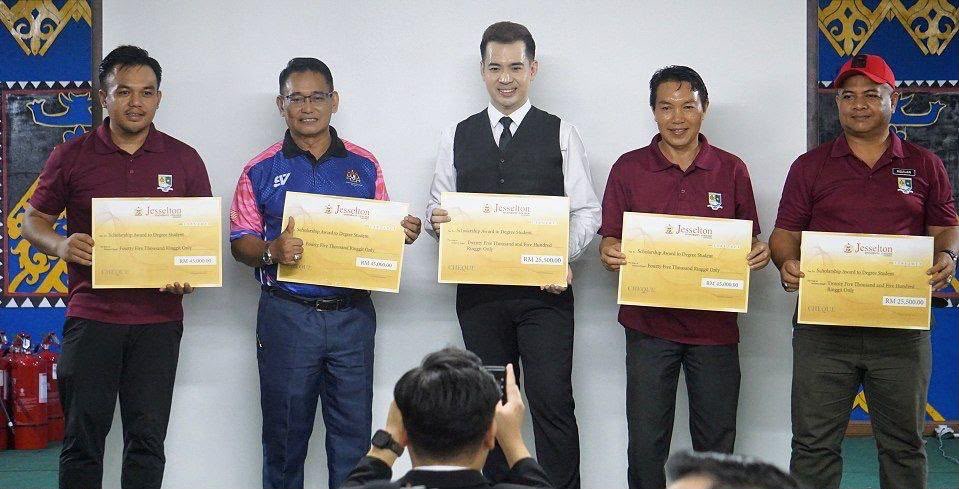
The effort brought international recognition in education, specifically Excellence in Experiential Learning & Student Development. Juanis does not make awards the goal.
“I did not start this journey to get awards. I started it because I know how it feels to have a dream, but not necessarily to have the opportunity,” he said.
The recognition is encouragement, not a full stop.
Continued support needed
Juanis is of the view that this effort cannot depend on individual sacrifice. The government, private sector, educational institutions, parents and society need to work together. The government can provide funds, training facilities, transport assistance and access to competitions. The private sector can contribute through CSR, sponsorship, professional mentoring and strategic cooperation. Parents and society need to give moral support and recognise success not only through examinations.
“We cannot expect rural children to compete on the same stage if access to opportunities, exposure and facilities they receive is still different,” he said.
He hopes more parties will help before young people succeed, not only celebrate after victory.
Opening the door to the future
Juanis’s journey is still long. He wants the programme to continue growing and more young people to step up to state, national and international levels. The stories of Dev, Sharif, Zel and Melveender show that one opportunity can carry different meanings. Change does not necessarily begin with big facilities. Sometimes, it begins with the trust to try.
“I do not want to be the only individual who succeeds. I want to be the reason more young people have the opportunity to succeed,” he said.
Talent may be there from the start, but without opportunity it is not discovered. If opportunity is given, it not only opens room to shine, but also changes the way young people see their own future.