KOTA KINABALU: June 21, 2026 – Sabah Barisan Nasional (BN) remains fully committed to supporting the leadership of Chief Minister Datuk Seri Panglima Haji Hajiji Haji Noor and the implementation of the Sabah Agenda, in order to ensure continued state development, political stability, and the well-being of the people.
Former Sabah Chief Minister Datuk Seri Panglima Dr Salleh Said Keruak said that, as part of the state government, BN Sabah would continue to play a constructive role in backing the administration led by Hajiji.
According to him, BN’s role within the government is not about being the dominant party or chasing positions and appointments, but rather about contributing to political stability, supporting the government’s development agenda, and ensuring that the benefits of development are felt by the people – including party members at the grassroots level.
“Although BN is not an equal partner in the current state government, this is a reality that must be accepted with political maturity.
“However, that does not prevent BN from playing a constructive role as a responsible coalition partner. What matters is that Sabah continues to progress, the economy continues to grow, and young people are given opportunities and a brighter future,” he said.
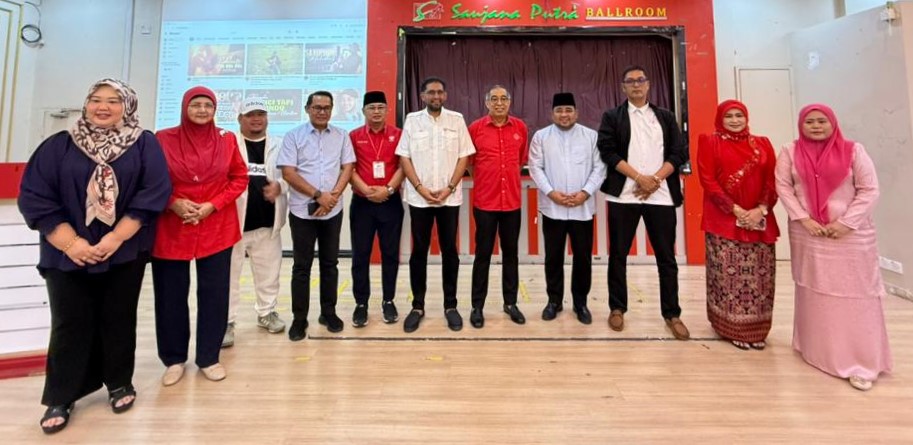
He made these remarks while officiating the Lahad Datu UMNO Youth Movement Delegates’ Meeting, which is led by Sabah’s Assistant Minister of Youth, Sports and Creative Economy Development, Datuk Seri Dr Anil Sandhu, in Lahad Datu yesterday.
At the same time, Dr Salleh urged Sabah UMNO Youth to place the Sabah Agenda at the core of their political struggle and to adopt a moderate, mature, and solution-oriented political approach.
He said young leaders should focus on issues that directly affect the people – including employment opportunities, education, economic development, infrastructure, and the welfare of Sabahans – rather than becoming entangled in fruitless political disputes.
He added that Sabah’s younger generation must also become champions of moderation, unity, and development, by always prioritising Sabah’s interests above narrow political considerations.