KOTA KINABALU: Mounting frustration is building in Sabah as the federal government continues to delay the return of 40 percent of the state’s revenue, a commitment enshrined under the Malaysia Agreement 1963 (MA63).
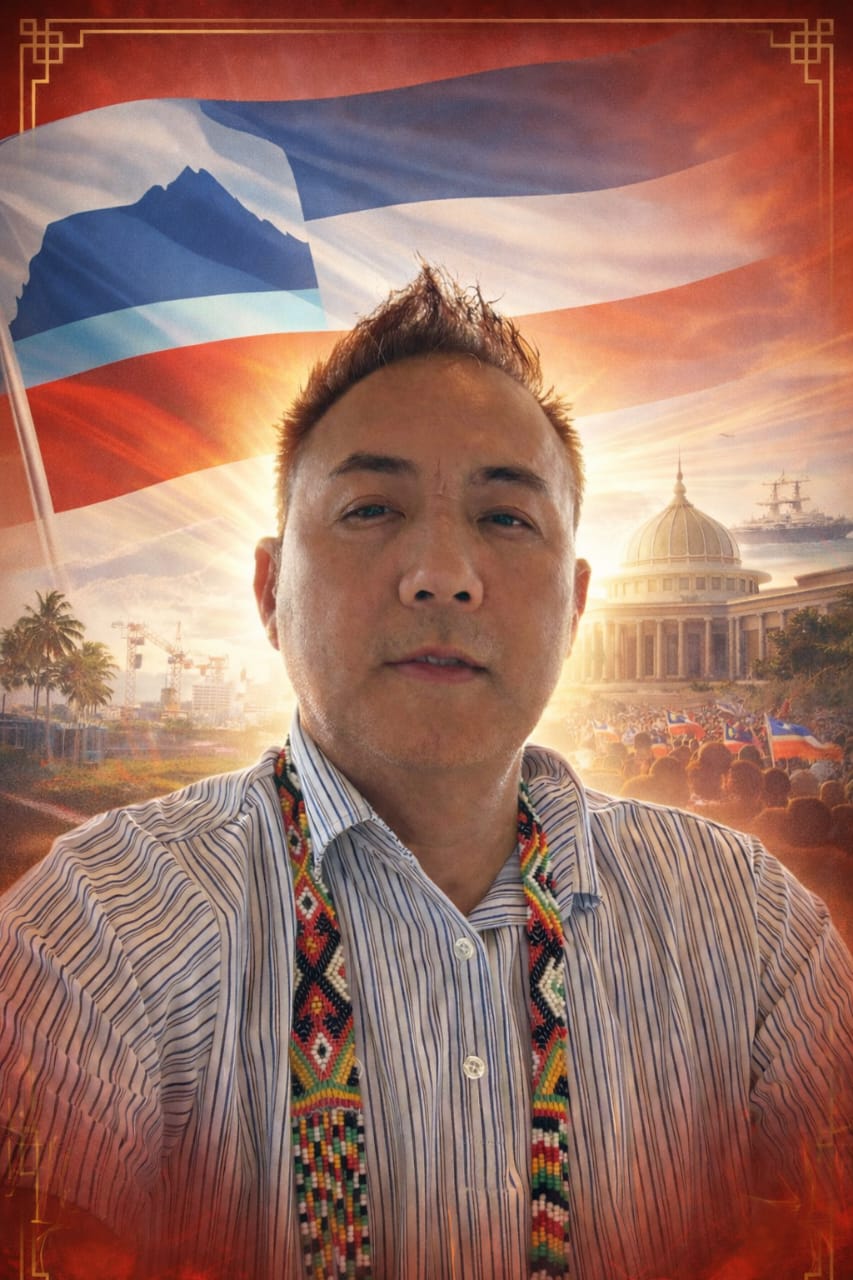
Veteran political observer, Jin Tze Vun, delivered a blunt assessment today, describing the prolonged delay as clear evidence of weakening political influence particularly among Sabah’s Chinese community.
According to him, existing Chinese-based political parties are increasingly seen as losing both strength and relevance—particularly in their ability to effectively advocate for the state’s rights at the federal level.
“When critical issues like the return of Sabah’s 40 percent revenue continue to be postponed, these parties are left voicing concerns in the media or blaming one another. They have failed to demonstrate real capability within government,” he said.
He added that the situation reflects a growing public sentiment: trust in these parties is steadily eroding.
“In the eyes of Sabahans, these parties are now seen as relics of the past. This issue underscores how Chinese politics in Sabah is weakening and being gradually rejected by the people,” he remarked.
Jin also criticised the current party structures, describing them as hollow institutions that exist more in name than in function.
“Despite their history and branding, these parties no longer represent the true voice of the Chinese community in Sabah. They appear more focused on maintaining their place within the old system than responding to the people’s demand for change,” he said.
In light of this, he called on younger leaders to step forward and reshape the political landscape.
“We need a new generation of leaders with vision and courage to drive change. Do not remain trapped in outdated systems. The time has come for new leadership to rise and restore public confidence,” he urged.
Addressing the possibility that his remarks may offend certain quarters, Jin defended the importance of speaking out.
“For the future of the state and the next generation, someone must have the courage to speak the truth. Silence out of fear is a betrayal of the people,” he stressed.
He further emphasised that Sabah’s Chinese community is now seeking more fundamental reform.
“We are no longer interested in patching up the old system. What we need is to rebuild a better future from the ground up,” he said.