PENAMPANG: Gabungan Rakyat Sabah (GRS) has poured cold water on Parti Warisan president Datuk Seri Mohd Shafie Apdal’s pledge to place Sabah’s natural resources under the management of Yayasan Sabah, calling it a move aimed at boosting the party’s appeal to woo voters, and nothing more.
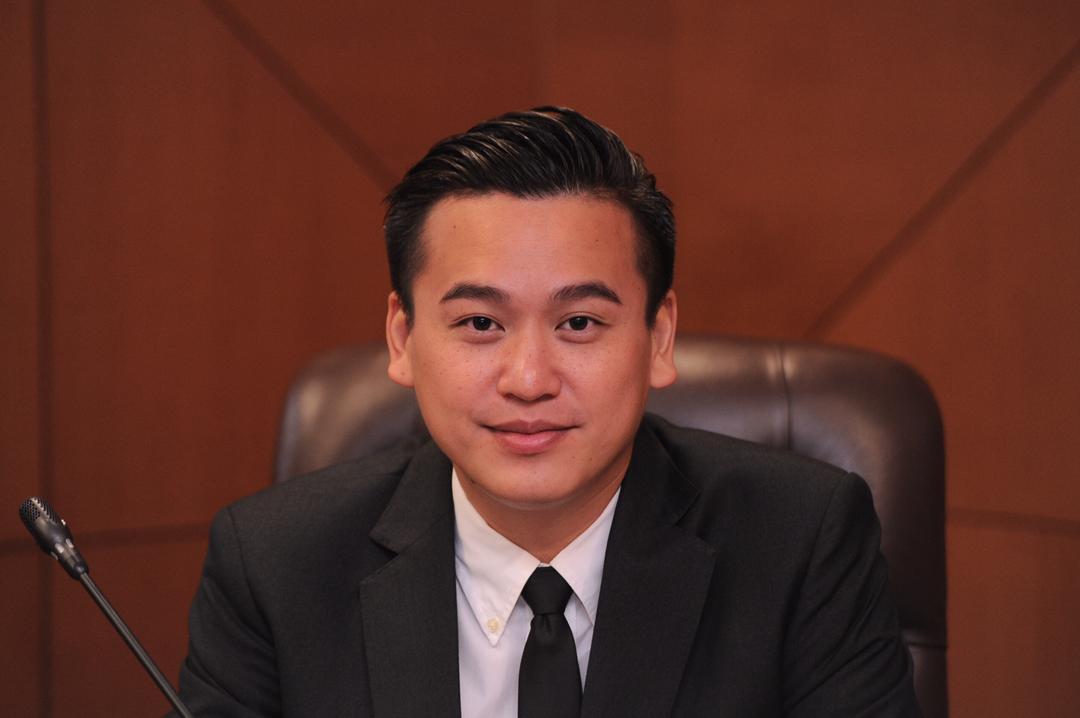
Parti Gagasan Rakyat Sabah (PGRS) Moyog Divisional head Datuk Ceasar Mandela Malakun questioned Shafie’s sincerity, pointing out that the former Chief Minister had ample authority to initiate such reforms during his administration from 2018 to 2020.
He said he branded such pledge as a credibility-stretching pitch aimed solely at to lure voters and describing it as a politically calculated attempt to court voter support rather than a genuine policy commitment.
“Let’s be very clear — Shafie had more than two years in power with full executive control.
“If he truly believed Sabah’s resources should be placed under Yayasan Sabah for the benefit of the people, why didn’t he do it then?” Mandela said this in a statement here on Monday.
He said Shafie’s repeated excuse that Warisan “only governed for about two years” does not hold up against the scale of reforms he now promises.
“If that was really the obstacle, then his priorities were clearly elsewhere during his time in office — not on the promises he is making today,” he added.
Mandela was commenting Shafie’s pledge during his ‘mega ceramah’ at Inanam near here, recently.
Shafie was saying that the natural resources including mineral and vast lands under GLCs of Yayasan Sabah such as Sabah Softwood, Benta Wawasan and hectares of lands will be managed by Yayasan Sabah and once there are sufficient money, he pledged to pay all education loans of the young Sabahans whom are study abroad or in the country.
Mandela also warned that granting “vast resource-management power” to Yayasan Sabah must come with strict governance, arguing that Shafie did not sufficiently reform the foundation during his tenure, raising risks of cronyism or mismanagement.
“Now that he is out of power, he revives grand visions. But where was this vision when he had power?,” he demanded.
Mandela also urged Shafie to clarify the structural reforms he plans to implement, including who will run the foundation, how profits from resource exploitation will be distributed, and what safeguards will be put in place.
He emphasized that resource management must benefit ordinary Sabahans, with wealth directed toward education, local infrastructure, and community development, rather than centralized control lacking transparency.
“Sabahans are tired of grand promises with no follow-through. We must evaluate leaders by what they did, not what they say now that they are out of power.
“If Shafie Apdal is serious about his vision, he must answer for his record. He had the opportunity — he must now explain why he failed, and how he plans to succeed this time. Sabah deserves nothing less,” Mandela said.
He also criticised what he described as the Warisan government’s superficial policy implementations.
He pointed out to the Warisan’s administration on May 2018 ban on log exports, aimed at ensuring supply for local industries and creating jobs in Sabah.
“This should have been accompanied by a systematic revamp of Yayasan Sabah, especially given its land bank and timber concessions, but real institutional reform was weak,” Mandela said.
According to him, concerns arose during Shafie’s tenure over Sabah’s timber revenue not being fully captured by the state or Yayasan Sabah, with the former chief conservator of forests allegedly raising red flags.
During his administration, it was reported that Shafie banned log exports and launched large-scale timber seizures to combat alleged illegal logging.
While the move was promoted as a major clean-up of Sabah’s timber industry, former Chief Conservator of Forests Datuk Sam Mannan later claimed the scale of illegality had been overstated.
He claimed that Sabah lost at least RM10 million due to the seizure of logs that were in his view, not illegal or not improperly harvested, and claimed it was politically driven rather than based on sound forestry assessments.
“If Shafie had been serious about redirecting timber wealth back to Sabahans for scholarships, education, and development, he needed to strengthen Yayasan Sabah’s governance rather than merely promise future reforms,” Mandela said.
Under GRS, he said the state renegotiated the grant, which increased to RM 125.6 million for 2022, RM 300 million in 2023, RM 306 million in 2024, and RM 600 million starting 2025, while preserving the claim on the full 40 per cent formula.
“GRS will not rest until Sabah gets its rightful, constitutional share — not symbolic grants,” he said.
Linking Shafie’s resource promises with his economic record, Mandela said Sabah’s economy under Warisan suffered, citing state revenue of around RM 4.2 billion in 2019, and said the current GRS administration had significantly boosted revenue and reserves.
“Resource control is not just about control. It must translate into stronger fiscal management and real growth, which, in GRS’s narrative, Warisan failed to deliver,” he said.
To people attending Warisan rallies, Mandela urged them to always differentiate between facts and sentiments.
“When a leader and his party are desperate to win an election, they will say all kinds of things. They will evoke emotions. Some may get angry at their opponents. This is what Warisan wants. Just to make them look pretty while others look useless.
“You, as voters, are the judge. But judge fairly based on facts. All of us want to avoid suffering a five-year regret,” he said.
Mandela: Shafie Had Power, But No Reform – So Why Now?