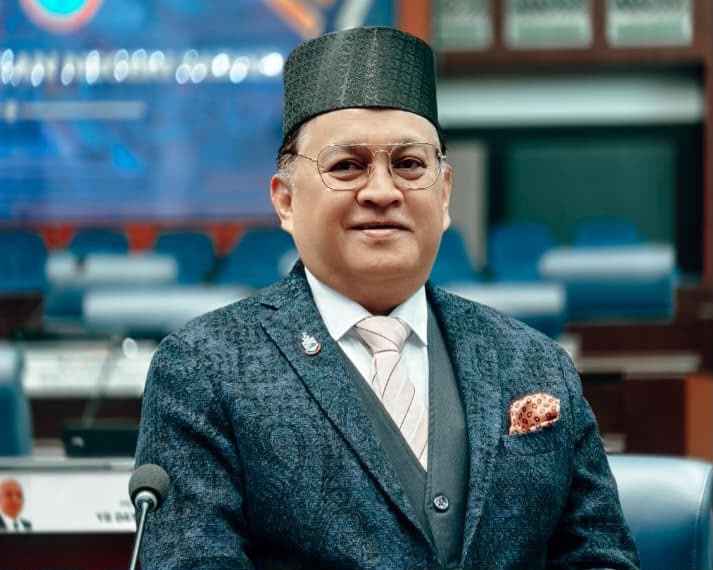
KOTA KINABALU: July 23, 2026 – Local Government and Housing Minister Datuk Dr Mohd Arifin Mohd Arif has stressed that the newly created post of Customary Officer is not that of a judge.
He said Customary Officers are only tasked with investigating and handling proceedings relating to customary matters, rather than hearing or deciding cases. Judicial functions remain under the Native Court.
Customary Officers will be appointed from among qualified civil servants who are knowledgeable about Native customary practices. Their duties include receiving reports, investigating customary offences, and managing court proceedings.
Arifin explained that this separation of duties is important to ensure that investigative work does not overlap with judicial powers.
The legal amendments also grant a broader role to the Sabah Native Affairs Council (MHEANS) in advising the government on customary education. MHEANS may also recommend elder candidates to the Chief Judge, but the power of appointment remains with the Chief Judge.
MHEANS membership has also been increased from six to nine members to involve more customary experts.
Arifin concluded his winding-up speech by stressing that the amendments do not erase the identity of Native customary practices. Instead, they help preserve and implement them in a more orderly manner.
“On the contrary, these amendments provide a clearer legislative and administrative framework so that customs and customary laws can be preserved and implemented in a more orderly and effective manner,” he said.
The Sabah Native Affairs Council (Amendment) Bill 2026 was tabled alongside the Native Courts Bill 2026 and the District Chief, Native Chief and Village Chief Bill 2026 as part of the broader reforms concerning customary institutions in Sabah.